Age and Female Fertility: What the Science Really Says After 30, 35 and 40


Age and Female Fertility: What the Science Really Says After 30, 35 and 40
Few topics in reproductive health generate as much anxiety — and as much misinformation — as the relationship between age and female fertility. You've likely encountered the statistics: fertility "declines sharply after 35," the odds of conceiving "fall dramatically after 40." But what do these numbers actually mean for you, as an individual? And what can you do to support your fertility at every age?
This evidence-based guide unpacks the real science of age and female fertility — including what changes in egg quality and ovarian reserve actually mean, what lifestyle and nutritional interventions genuinely help, and when it's time to consult a specialist. Our goal is to replace anxiety with accurate, actionable information.
Understanding Ovarian Reserve: The Biological Foundation of Female Age and Fertility
Female fertility is fundamentally linked to the ovarian reserve — the pool of eggs (oocytes) remaining in the ovaries. Unlike men, who produce new sperm continuously throughout their lives, women are born with all the eggs they will ever have: approximately 1–2 million immature eggs at birth, declining to about 300,000 at puberty, and continuing to reduce through natural attrition throughout reproductive life.
Of these hundreds of thousands of eggs, a woman will ovulate only approximately 400–500 over her entire reproductive lifetime. The remainder undergo atresia — natural programmed cell death — regardless of pregnancy, contraception use, or any other factor. This is a normal, continuous biological process.
Two key measurements assess ovarian reserve:
- Anti-Müllerian hormone (AMH): A hormone produced by follicles in the ovary; AMH blood levels reflect the size of the remaining follicle pool. AMH declines gradually with age, but there is substantial individual variation — some women in their late 30s have AMH levels typical of women 5–10 years younger, and vice versa.
- Antral follicle count (AFC): An ultrasound count of small follicles in the ovaries, reflecting the available pool for stimulation in any given cycle.
These tests provide meaningful information about quantity — but not quality. And it's egg quality, ultimately, that matters most for successful fertilisation, embryo development, and live birth.
How Egg Quality Changes With Age — and Why It Matters
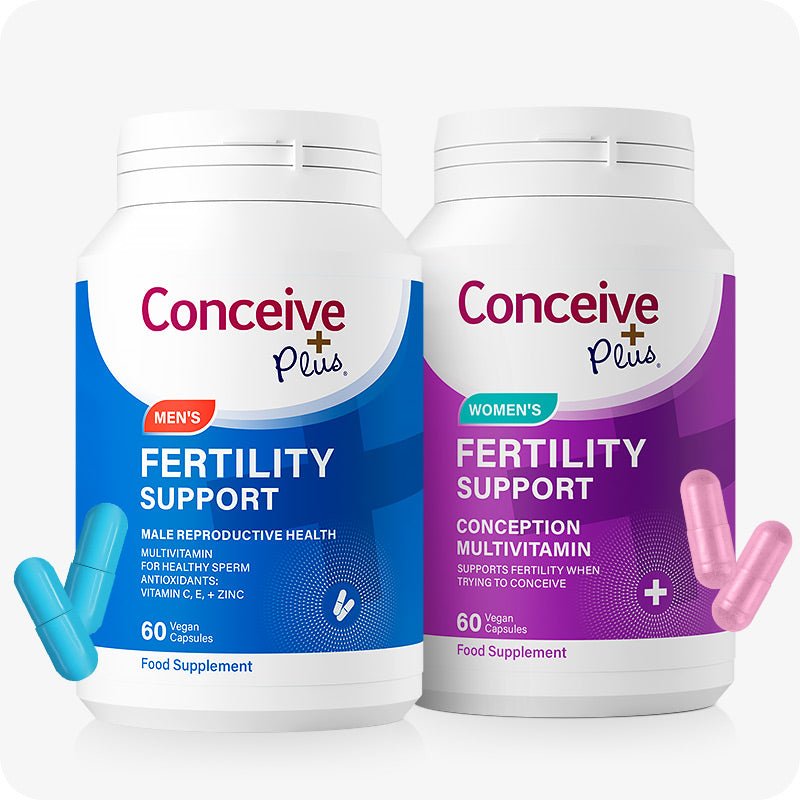
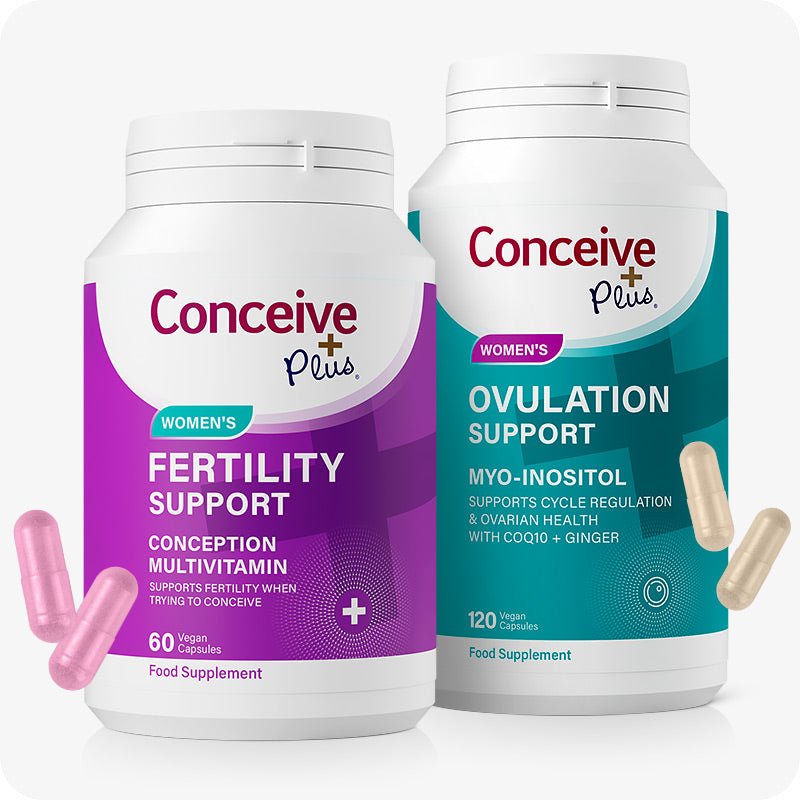
Start your fertility supplement journey with Conceive Plus. Explore our clinically formulated range at conceiveplus.eu/collections/fertility-supplements.
The most clinically significant age-related change in female fertility is not the decline in egg numbers, but the progressive decline in egg quality — specifically, an increase in chromosomal abnormalities (aneuploidy) in the eggs that are ovulated.
A normal human egg should contain exactly 23 chromosomes (to combine with 23 from a sperm to create a 46-chromosome embryo). As eggs age in the ovary, the cellular machinery responsible for correctly dividing chromosomes during meiosis becomes less reliable. The result is an increasing proportion of aneuploid eggs — eggs with too many or too few chromosomes.
The clinical consequences of aneuploidy are significant:
- Most aneuploid embryos fail to implant
- Those that do implant frequently result in early miscarriage
- Some aneuploidies result in chromosomal conditions in offspring (most famously, trisomy 21/Down syndrome)
Aneuploidy rates by age (approximate, from IVF preimplantation genetic testing data):
- Under 35: approximately 30–40% of eggs aneuploid
- Age 35–37: approximately 40–50% aneuploid
- Age 38–40: approximately 50–60% aneuploid
- Age 41–42: approximately 60–70% aneuploid
- Over 43: approximately 80–90% aneuploid
This explains why fertility declines and miscarriage rates increase with age — not because older women can't produce eggs, but because a progressively smaller proportion of eggs are chromosomally normal.
Age-Related Fertility: The Real Numbers
The often-quoted fertility statistics come from historical demographic data — in some cases, from 17th-century French parish records — which significantly underestimate modern fertility at older ages. Contemporary data from assisted reproduction provides more accurate benchmarks:
- Women under 35 using their own eggs in IVF: approximately 40–45% live birth rate per cycle
- Women aged 35–37: approximately 32–38% per cycle
- Women aged 38–40: approximately 20–28% per cycle
- Women aged 41–42: approximately 12–18% per cycle
- Women over 43: approximately 5–10% per cycle with own eggs
Natural conception rates follow similar trends, but individual variation is substantial. Many women conceive naturally in their late 30s and early 40s. Age-related fertility decline is real but not a cliff edge — it's a gradual slope, with the steepest decline occurring after 40.
What You Can Do to Support Egg Quality at Any Age
While you cannot reverse the biological clock, there is meaningful evidence that nutritional and lifestyle factors influence egg quality — specifically by reducing the mitochondrial dysfunction and oxidative stress that drive chromosomal errors during egg maturation.
CoQ10 (Coenzyme Q10): Possibly the most studied intervention for age-related egg quality decline. Mitochondria — the energy-producing organelles in eggs — are essential for the chromosomal segregation process during meiosis. CoQ10 is the critical fuel for mitochondrial energy production. Research, including a landmark study from the University of Toronto, has shown that CoQ10 supplementation improves egg quality and ovarian response in older women. Doses used in fertility studies typically range from 400–600mg daily, ideally as ubiquinol (the active, pre-converted form).
DHEA: Dehydroepiandrosterone, a precursor hormone produced by the adrenal glands and ovaries, is used by some fertility specialists to improve ovarian response in women with diminished ovarian reserve (DOR). Evidence is mixed but the most consistent signal is in women with poor ovarian response to IVF stimulation. DHEA should only be used under medical supervision as it can affect hormone balance.
Folate/methylfolate: Critical for DNA synthesis and cell division during early embryo development. Women with MTHFR gene variants — common in European populations — benefit from methylfolate rather than synthetic folic acid.
Vitamin D: AMH levels are positively correlated with vitamin D status; deficiency is associated with reduced ovarian reserve and poorer IVF outcomes. Many European women are vitamin D deficient, particularly through autumn and winter.
Omega-3 fatty acids: DHA and EPA support egg membrane integrity and uterine blood flow. A diet rich in oily fish, or supplementation with a quality omega-3 product, is consistently recommended by fertility specialists.
Antioxidants (vitamin C, vitamin E, selenium): Oxidative stress accelerates the chromosomal changes in aging eggs. A diet rich in antioxidants — or supplementation — provides meaningful protection.
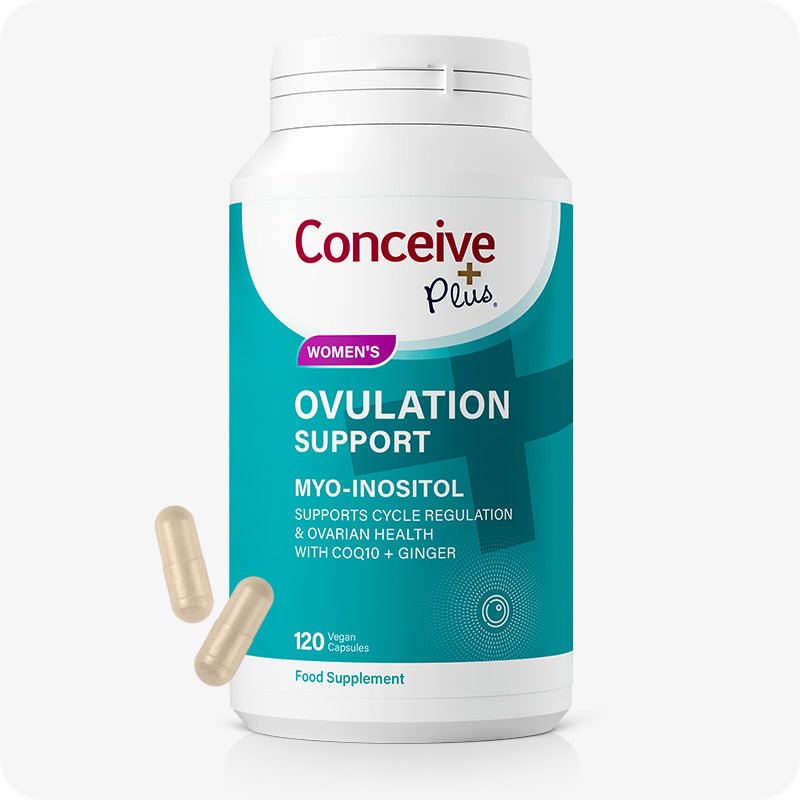
Conceive Plus women's fertility supplements are formulated to support egg quality, cycle regularity, and early embryo development. Explore the range at conceiveplus.eu/collections/fertility-supplements.
When to Seek Specialist Help Based on Age
General guidelines from reproductive medicine societies:
- Under 35: Try naturally for 12 months before seeking investigation
- Age 35–40: Try for 6 months, then seek evaluation
- Over 40: Begin evaluation promptly — within 3 months of trying, or immediately if you have known risk factors
- Any age: Seek immediate evaluation if you have irregular cycles, known endometriosis, PCOS, previous pelvic surgery, or a history of STI that could affect tubes
A basic fertility workup includes AMH and AFC testing, a pelvic ultrasound, and a semen analysis for your partner. From there, a specialist can advise on whether natural conception is appropriate to continue, or whether investigation of tube patency and more active treatment would be beneficial.
Frequently Asked Questions About Age and Female Fertility
Q: Is 35 really the magic cut-off for female fertility?
A: The age of 35 is used clinically as a threshold because certain risks — aneuploidy rates, IVF age-stratification — change meaningfully around this point. But it is not a cliff edge. Many women conceive naturally in their late 30s, and fertility declines gradually, not suddenly.
Q: Can I test my own ovarian reserve?
A: AMH testing is now available through fertility clinics and some private labs across Europe. While an AMH result provides useful information about your remaining egg pool, it does not predict natural fertility — some women with low AMH conceive naturally, while others with normal AMH experience infertility from other causes.
Q: Does using contraception earlier in life "save" eggs?
A: No. Hormonal contraception suppresses ovulation but does not reduce egg attrition — the natural programmed death of eggs continues at the same rate regardless of whether you're cycling. Contraception use has no meaningful effect on age-related fertility decline.
Q: Is egg freezing a reliable "insurance policy"?
A: Egg freezing can preserve fertility potential, with the best outcomes when eggs are frozen before 35. Success rates from frozen eggs depend on the number of eggs frozen, the age at freezing, and the quality of the IVF programme. Realistic conversations with specialists about expected outcomes are essential before investing in this option.
Q: Can supplements genuinely improve egg quality?
A: CoQ10, vitamin D, omega-3s, and antioxidants have meaningful clinical evidence supporting their role in egg quality — particularly by reducing mitochondrial dysfunction and oxidative stress. They are not miracle solutions, but they represent the best available evidence-based nutritional approach for improving the cellular environment in which eggs mature.
Q: How long before trying should I start taking fertility supplements?
A: Most specialists recommend starting at least 3 months before you plan to conceive — this allows time for nutrients to build to optimal levels and supports the full 90-day cycle of egg maturation during which nutritional status has its greatest influence on egg quality.
Q: My AMH is low for my age. What does that mean for natural conception?
A: Low AMH indicates a smaller remaining egg pool, which means fewer eggs available per cycle and typically a shorter reproductive window. However, even with low AMH, natural conception is possible while eggs of sufficient quality remain. A fertility specialist can advise on whether your specific results warrant more urgent action.
Q: Can Conceive Plus supplements help women over 35 trying to conceive?
A: Yes. Conceive Plus women's supplements include the nutrients most strongly supported by fertility research for supporting egg quality, cycle health, and early embryo development. Visit conceiveplus.eu/collections/fertility-supplements to explore options appropriate for your stage.
Conclusion: Age Matters, But So Does Action
Understanding the real science of age and female fertility empowers you to make informed decisions — neither dismissing real biological changes nor accepting a fatalistic narrative that precludes hope. Fertility does decline with age, meaningfully so after 40. But the decline is gradual, individual variation is significant, and there is genuine evidence that nutritional support, lifestyle optimisation, and timely specialist care can improve your chances at every stage.
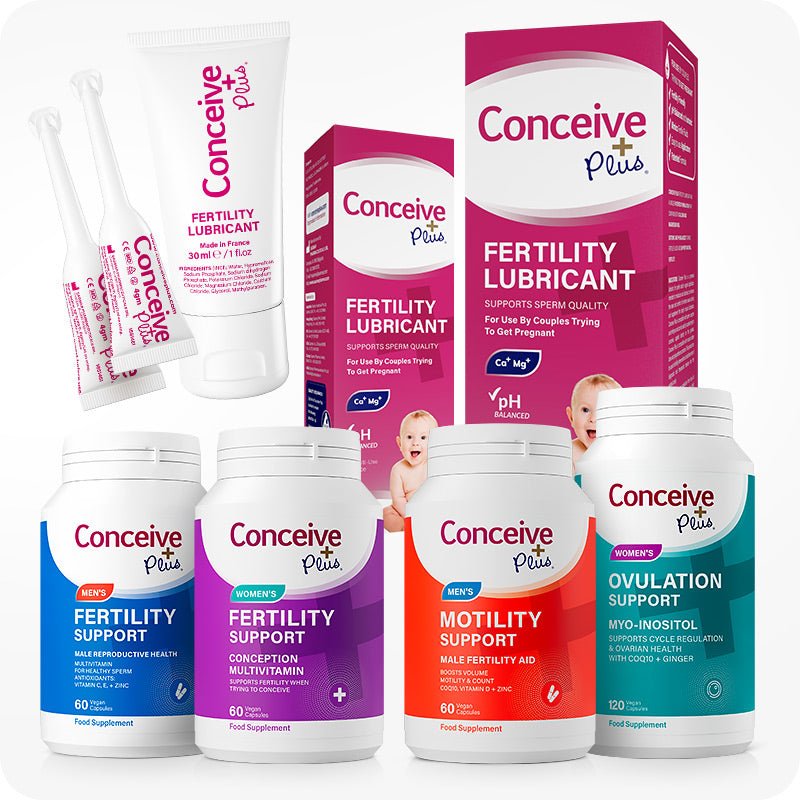
Conceive Plus is here to support you with evidence-formulated supplements and trustworthy information throughout your fertility journey. Discover the full range at conceiveplus.eu/collections/fertility-supplements.
Start your fertility supplement journey with Conceive Plus. Explore our clinically formulated range at conceiveplus.eu/collections/fertility-supplements.