Navigating the Two-Week Wait: A Complete Guide to Surviving and Thriving After Ovulation


Understanding the Two-Week Wait
The two-week wait (TWW) is the period between ovulation and your expected period — typically 10-14 days. It is widely regarded as the most emotionally challenging phase of the fertility journey. During this time, you've tracked ovulation, timed intercourse, and taken your supplements. Now comes the hardest part — waiting.
The TWW is challenging because progesterone rises after ovulation regardless of whether conception occurred, causing symptoms that mimic early pregnancy — breast tenderness, bloating, fatigue, and mood changes. Symptom-spotting is notoriously unreliable. A 2022 study found only 18% of women with "classic early pregnancy symptoms" were actually pregnant.
What Happens in Your Body
Days 1-3: The egg travels through the fallopian tube. If fertilised, the embryo begins dividing. Progesterone increases as the corpus luteum forms.
Days 4-6: The blastocyst enters the uterus. Implantation occurs 6-10 days after ovulation, triggering hCG release.
Days 7-10: hCG rises exponentially if implantation succeeded. Some women experience implantation bleeding — only about 25% do, so its absence means nothing.
Days 11-14: If hCG is high enough, a pregnancy test shows positive. Most sensitive tests detect hCG by day 12-14.
Managing the Emotional Toll
Stay busy: Distraction is your most powerful tool. Plan activities that engage you without adding stress. Limit symptom-spotting: The urge to analyse every twinge is natural but counterproductive. Practice mindfulness: Deep breathing when anxiety spikes can lower cortisol.
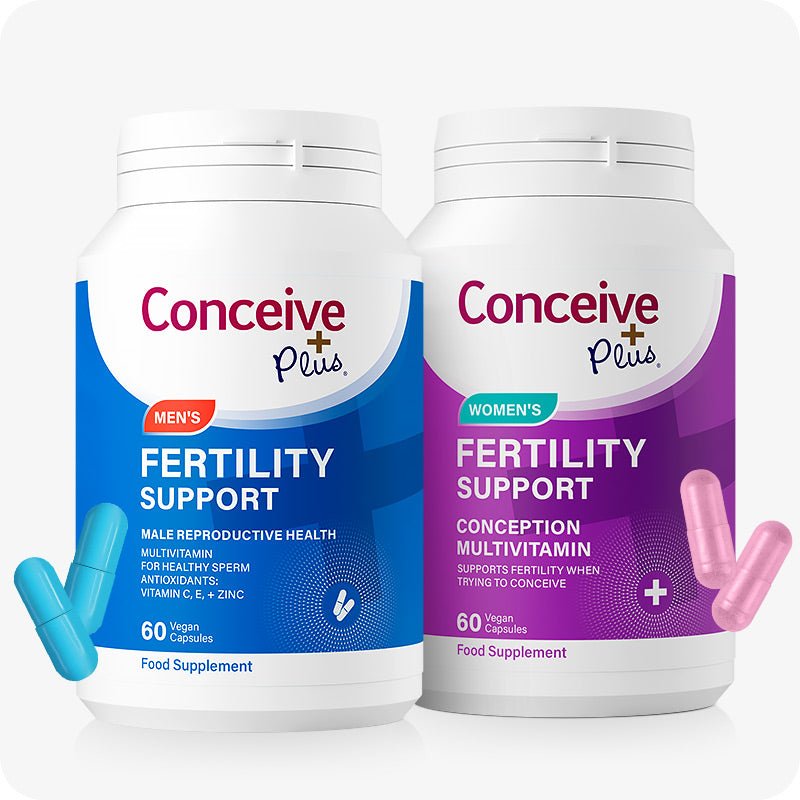
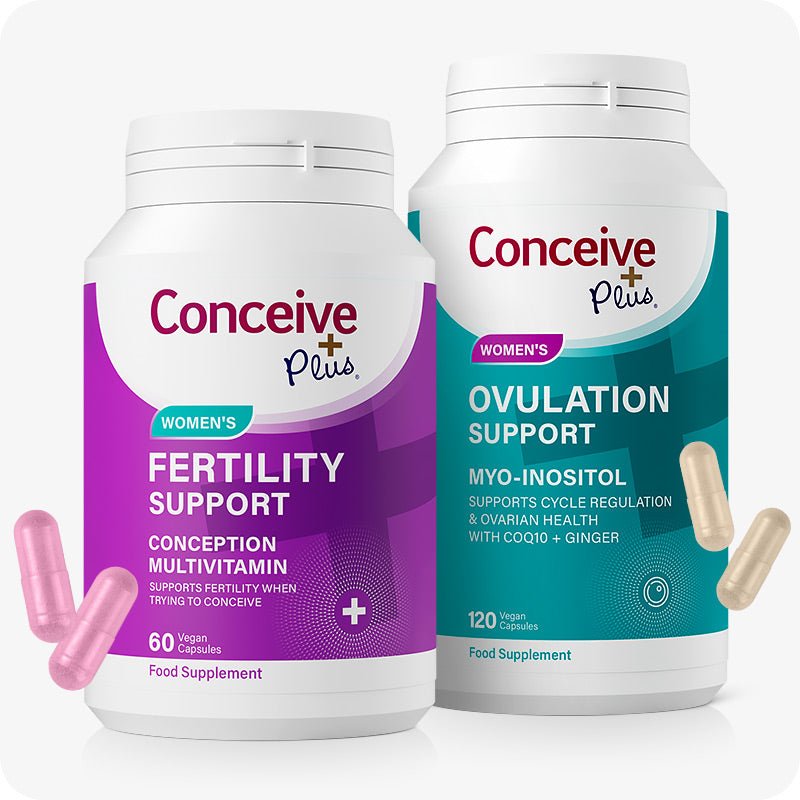
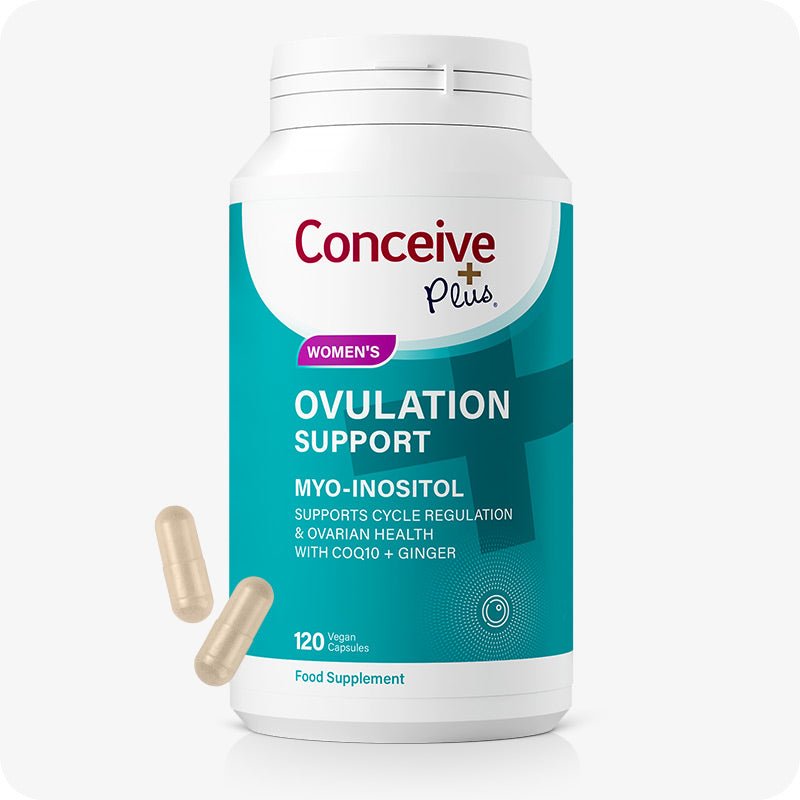
Support your body through every phase. Women's Fertility Support provides essential nutrients during the luteal phase and beyond.
When to Take a Pregnancy Test
Test on the first day of your missed period. Testing 4 days before detects only 50% of pregnancies. Use first morning urine for the most concentrated hCG. Digital tests reduce interpretation anxiety.
Self-Care Strategies
Gentle exercise: Walking and yoga manage stress without impacting implantation. Nutrition: Continue prenatal supplements. Sleep: Prioritise 7-9 hours. Connection: Communicate with your partner about how you're feeling.
Coping with a Negative Result
A negative test is heartbreaking. Allow yourself to feel disappointed. Grieve the cycle, then look forward. Each cycle is a new opportunity. Most couples do not conceive in any given month, and negative results are far more common than positive ones.
Frequently Asked Questions
When can I test after IVF? Clinics test 9-14 days after a day-5 transfer.
Can stress affect implantation? Extreme stress may have minor impact; moderate stress does not prevent it.
Is implantation bleeding normal? Yes, but only 25% of pregnant women experience it.
Can I exercise during the TWW? Gentle exercise is beneficial. Avoid high-intensity workouts.
Should I avoid certain foods? Eat anti-inflammatory foods. Continue your prenatal.
Does sex during the TWW affect implantation? No. Sex does not affect implantation.
Can progesterone supplements help? Only if prescribed for luteal phase deficiency.
What if my period is late but test is negative? You may have ovulated later than you thought. Wait a few days and retest.
How can I reduce TWW anxiety? Mindfulness, journaling, staying busy, and talking to your partner.
Should I stop supplements if I get a negative test? No. Continue throughout your journey.
Every step matters. Women's Fertility Support provides the nutrients your body needs through every phase of your fertility journey.