IVF Preparation: The Complete Nutritional Guide to Getting Your Body Ready


IVF Preparation: The Complete Nutritional Guide to Getting Your Body Ready
Preparing for IVF is one of the most significant things you can do to influence your treatment outcomes. While the medical protocol — the injections, the monitoring, the retrieval — is entirely in the hands of your clinical team, the months before your cycle are yours to optimise. IVF preparation that includes targeted nutritional support, supplementation, and lifestyle changes can meaningfully improve egg and sperm quality, the hormonal environment of your cycle, and even implantation success.
This guide covers the evidence-based approach to IVF preparation for both women and men, with a focus on what you can do in the 3–6 months before your cycle begins.
Why IVF Preparation Matters: The 90-Day Window
Eggs take approximately 90 days to develop from primordial follicle to the mature oocyte that will be retrieved in your IVF cycle. During this development period — the 90 days before your egg retrieval — the nutritional and metabolic environment of your body directly influences egg quality, mitochondrial function, chromosomal integrity, and ultimately embryo viability.
Sperm production cycles take approximately 74 days. The sperm your partner produces this week were initiated 10 weeks ago. This means that nutritional improvements to sperm quality take 2–3 months to fully manifest in a semen analysis.
Beginning your IVF preparation at least 3 months before your treatment cycle gives both eggs and sperm the full development period to benefit from your optimisation efforts. Starting 6 months out is even better, particularly for women over 38 or those with diminished ovarian reserve.
Coenzyme Q10: The Most Important IVF Preparation Supplement
Coenzyme Q10 (CoQ10) has the strongest evidence base of any supplement for IVF preparation. Here is why:
Mature eggs are metabolically active cells that require enormous amounts of ATP (cellular energy) to complete meiosis, undergo fertilisation, and support early embryo development. This ATP is produced in mitochondria. As women age, mitochondrial function in eggs declines — a process directly linked to the age-related decline in egg quality and IVF success rates.
CoQ10 is a critical component of the mitochondrial electron transport chain. Supplementation increases CoQ10 levels in ovarian follicular fluid and has been shown in randomised controlled trials to improve egg quality, fertilisation rates, and blastocyst formation rates in women undergoing IVF.
A landmark study from the University of Toronto showed that CoQ10 supplementation in mice improved egg quality to the point where older mice (the reproductive equivalent of a 40-year-old woman) produced eggs with the characteristics of younger mice. Human RCT data has since supported CoQ10's role in improving ovarian response in poor responders.
Standard dosing for IVF preparation is 400–600mg daily of ubiquinol (the reduced, more bioavailable form of CoQ10), started at least 3 months before the cycle.
Folate and MTHFR: Critical IVF Preparation Considerations
Adequate folate is non-negotiable in IVF preparation. Folate is required for DNA methylation, single-carbon metabolism, and proper chromosome segregation during cell division. Deficiency is associated with chromosomally abnormal embryos (aneuploidy) — the leading cause of IVF failure and miscarriage.
Standard folic acid supplements require conversion by the MTHFR enzyme to become biologically active (5-methyltetrahydrofolate). Up to 40% of people carry variants in the MTHFR gene that reduce this conversion efficiency. For these individuals, standard folic acid supplements may provide inadequate active folate even when taken diligently.
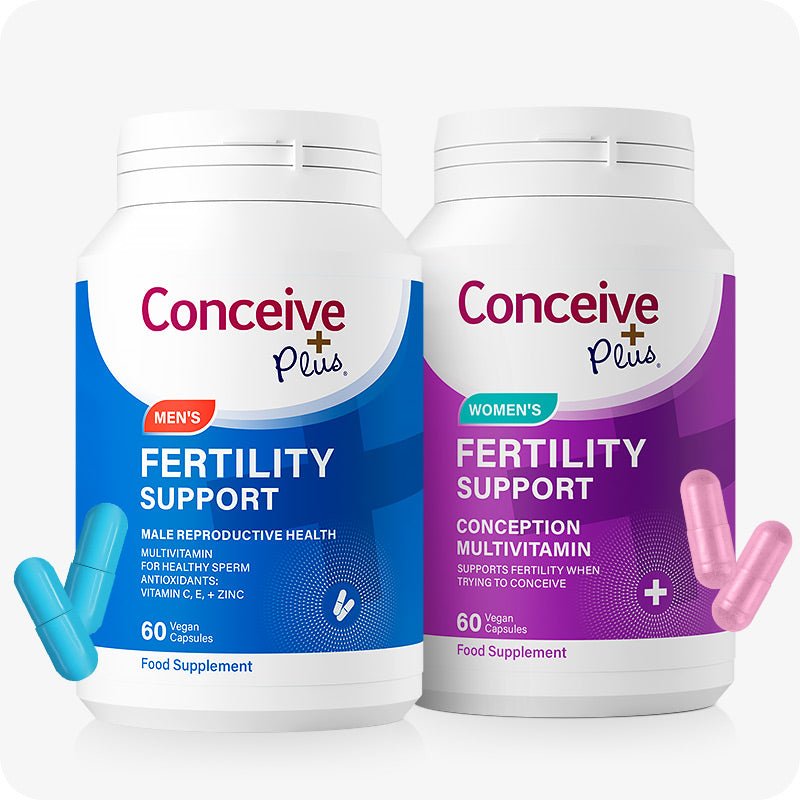
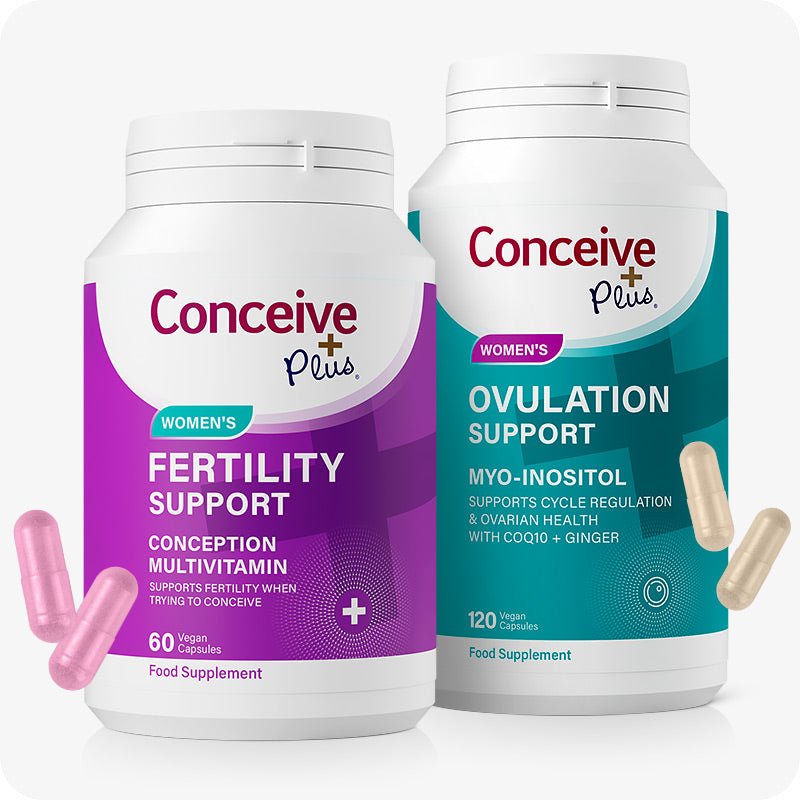
The recommendation for IVF preparation is to supplement with methylfolate (5-MTHF) rather than synthetic folic acid. This bypasses the MTHFR conversion step and ensures adequate active folate regardless of your genetic status. Conceive Plus prenatal supplements provide methylfolate rather than synthetic folic acid, making them appropriate for IVF preparation regardless of MTHFR status.
Vitamin D: The Overlooked IVF Preparation Essential
Vitamin D is not just a bone health nutrient — it is a prohormone with receptors throughout the reproductive system including ovarian follicles, the endometrium, and embryonic tissue. Vitamin D deficiency is strongly associated with:
- Reduced IVF clinical pregnancy rates
- Lower live birth rates
- Thinner endometrial lining
- Higher miscarriage risk after IVF
- Reduced ovarian response to stimulation
A systematic review published in Human Reproduction Update found that women with sufficient vitamin D levels had significantly higher clinical pregnancy rates in IVF than deficient women. The difference was clinically meaningful — not marginal.
As part of your IVF preparation, request a 25-hydroxyvitamin D blood test from your GP. If your level is below 75 nmol/L (30 ng/mL), active supplementation with 2,000–4,000 IU daily is typically appropriate. Many fertility specialists now routinely check vitamin D as part of IVF workup and supplement accordingly.
Antioxidants in IVF Preparation: Protecting Egg and Sperm DNA
Oxidative stress — the excess of reactive oxygen species (ROS) over antioxidant defences — damages DNA in both eggs and sperm. For eggs, oxidative damage to chromosomes increases the risk of aneuploidy (incorrect chromosome number in embryos). For sperm, DNA fragmentation from oxidative stress reduces fertilisation rates and embryo quality.
Targeted antioxidant supplementation as part of IVF preparation addresses this directly:
- Vitamin C (1,000mg/day): Water-soluble antioxidant, found at high concentrations in follicular fluid. Protects oocytes from oxidative damage.
- Vitamin E (400–600 IU/day): Fat-soluble antioxidant. Works synergistically with vitamin C. Involved in endometrial development.
- Alpha-lipoic acid (ALA): Regenerates other antioxidants (vitamins C and E) and has direct anti-inflammatory effects in ovarian tissue.
- N-acetyl cysteine (NAC): Precursor to glutathione, the body's most powerful internal antioxidant. Studies show NAC improves ICSI outcomes in women with PCOS.
- Resveratrol: Polyphenol from grapes with SIRT1 activation properties. Animal studies show improved egg quality; early human data is promising.
🌿 Clinically formulated for IVF preparation
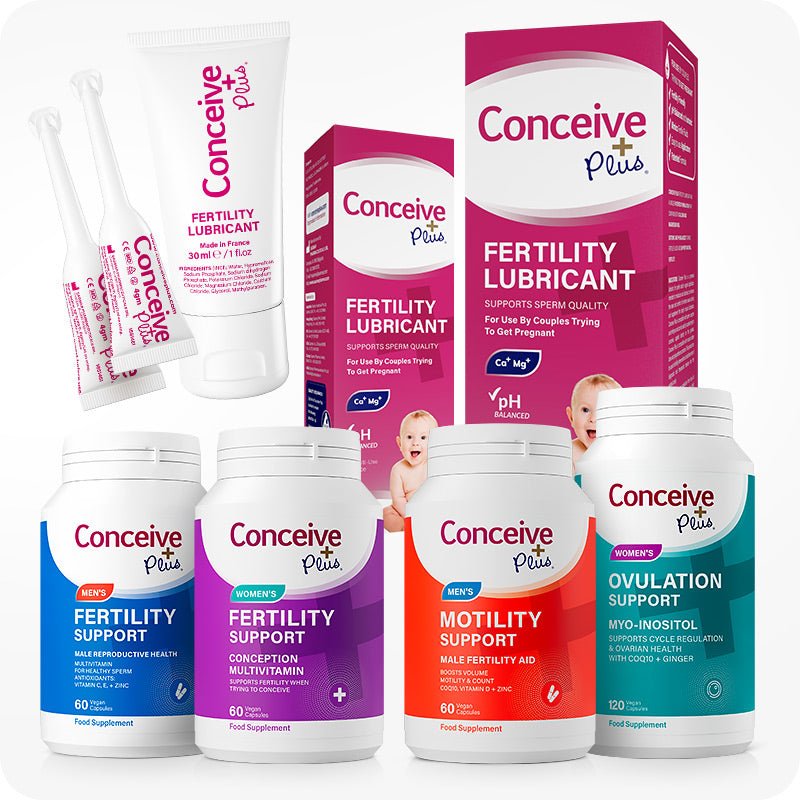
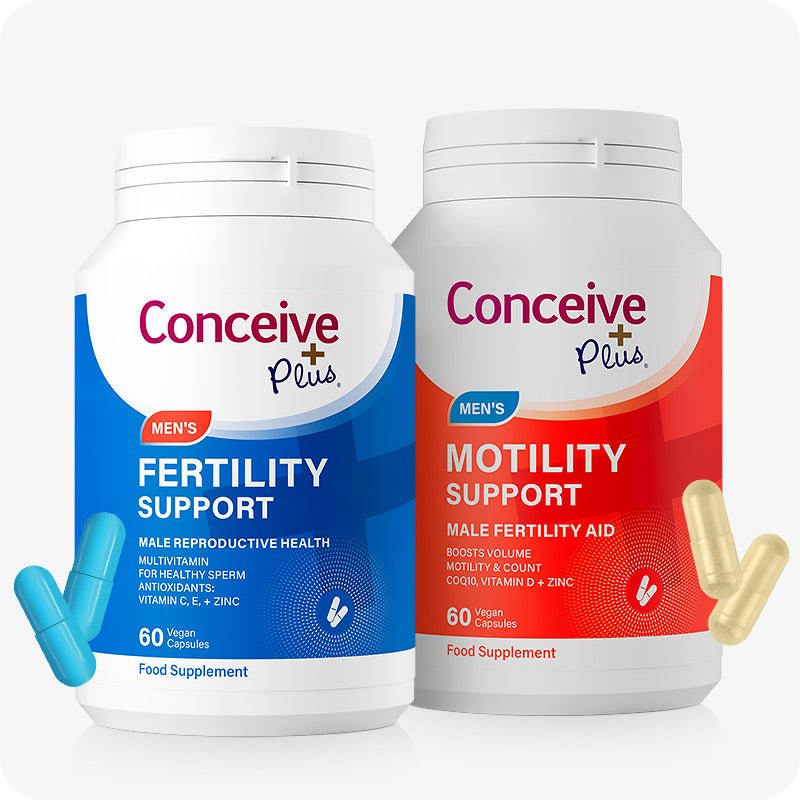
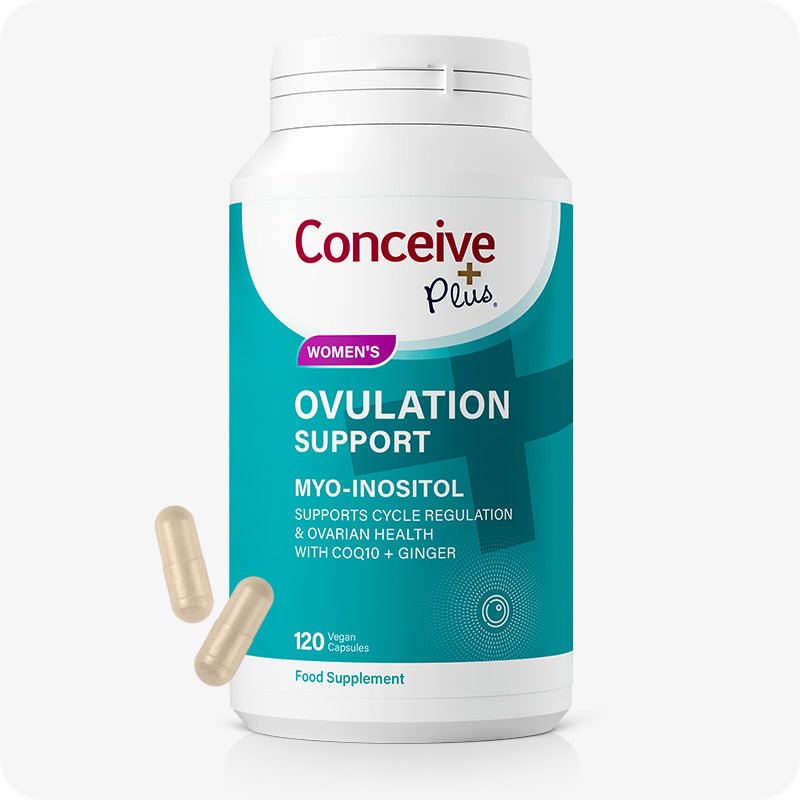
Conceive Plus prenatal supplements provide methylfolate, CoQ10, vitamin D, and key antioxidants in an evidence-based IVF preparation formula.
Shop Conceive Plus for IVF Preparation →
Male IVF Preparation: Optimising Sperm Quality
IVF outcomes are genuinely joint outcomes. Even in ICSI (where a single sperm is injected directly into an egg), the quality of that sperm — particularly its DNA integrity — affects embryo development, implantation, and miscarriage risk. IVF preparation for men is therefore as important as it is for women, and the 3-month timeline applies equally.
Key supplements for male IVF preparation:
- Zinc (25–30mg/day): Essential for testosterone synthesis and sperm production. Required for the structural integrity of sperm DNA.
- Selenium (100–200mcg/day): Incorporated into selenoproteins that protect sperm from oxidative DNA damage.
- L-Carnitine (2,000mg/day): Supports sperm motility by facilitating mitochondrial energy production.
- CoQ10 (300–600mg ubiquinol/day): Protects sperm from oxidative stress. Meta-analyses confirm significant improvement in motility with supplementation.
- Folate/methylfolate (400–1,000mcg/day): Required for sperm DNA synthesis. Men with low folate intake show higher rates of sperm aneuploidy.
- Omega-3 DHA: Structural component of sperm membranes. Required for the fluidity that allows sperm to undergo the acrosome reaction.
Lifestyle modifications for male IVF preparation: avoid hot baths, saunas, and tight underwear (heat reduces sperm production); avoid smoking and recreational drugs; minimise alcohol; maintain a healthy BMI (testicular temperature and testosterone are both affected by obesity).
Diet for IVF Preparation
The Mediterranean dietary pattern — abundant vegetables, olive oil, oily fish, legumes, nuts, and whole grains — consistently shows the strongest evidence for positive IVF outcomes. A prospective cohort study published in Human Reproduction found that high Mediterranean diet adherence was associated with 65–68% higher probability of clinical pregnancy and live birth in IVF cycles.
Specific dietary priorities for IVF preparation:
- Eat oily fish (salmon, sardines, mackerel) 2–3 times per week for omega-3 DHA and EPA
- Include a palm-sized portion of legumes daily (lentils, chickpeas, edamame) for folate, zinc, and low-GI carbohydrates
- Prioritise colourful vegetables at every meal for antioxidant diversity
- Use olive oil as your primary cooking fat
- Include a small handful of mixed nuts daily for selenium (Brazil nuts), zinc (cashews), and omega-3 (walnuts)
- Reduce refined sugars and processed foods
- Drink 1.5–2 litres of water daily
Stress Management as IVF Preparation
Psychological stress affects fertility through several pathways: cortisol suppresses GnRH pulsatility (disrupting the hormonal cascade of ovulation), stress hormones have direct effects on uterine receptivity, and chronic stress is associated with higher rates of treatment discontinuation due to emotional burden.
IVF is itself a significant stressor. Building stress management strategies before your cycle begins prepares you psychologically for the demands of treatment. Evidence-based approaches with demonstrated fertility benefit include:
- Mindfulness-based stress reduction (MBSR) — a randomised controlled trial published in Fertility and Sterility found MBSR was associated with significantly lower distress and higher live birth rates in IVF patients
- Acupuncture — evidence is mixed but several meta-analyses show benefit for reducing anxiety and improving implantation rates
- Regular moderate exercise (30 minutes most days) — avoids the contraproductive effects of both sedentary behaviour and extreme exercise
- Sleep optimisation — poor sleep quality is associated with higher cortisol and lower reproductive hormone levels
🌿 Start your IVF preparation today
Conceive Plus supports IVF patients across Europe with clinically developed supplements designed to optimise egg quality, sperm health, and reproductive readiness.
Get Conceive Plus for Your IVF Journey →
Frequently Asked Questions: IVF Preparation
How far in advance should I start IVF preparation?
At least 3 months (90 days) before your cycle, as this covers the full egg and sperm development period. 6 months is better for women over 38 or with diminished ovarian reserve, as there is more time for nutritional improvements to influence egg cohort quality.
What is the single most important supplement for IVF preparation?
CoQ10 has the strongest and most specific evidence for improving IVF outcomes. Methylfolate is non-negotiable for DNA protection. For most women, the combination of CoQ10, methylfolate, and vitamin D represents the most evidence-based core supplementation strategy for IVF preparation.
Can men's supplementation improve IVF outcomes?
Yes, significantly. Sperm DNA integrity, motility, and morphology all affect fertilisation rates and embryo quality in IVF and ICSI. A meta-analysis published in Human Reproduction Update found that antioxidant supplementation in male partners improved live birth rates in IVF by approximately 50%.
Should I do anything differently if I have PCOS and am preparing for IVF?
Yes. PCOS requires specific additions to standard IVF preparation: myo-inositol (2–4g daily) for insulin sensitivity and ovarian response, a low-glycaemic diet to manage insulin resistance, and potentially metformin if prescribed by your specialist. Alert your clinic to your PCOS diagnosis as it affects stimulation protocol choice (risk of OHSS is higher with PCOS).
How important is weight for IVF outcomes?
BMI significantly affects IVF outcomes. Both underweight (BMI below 18.5) and overweight (BMI above 30) are associated with poorer outcomes, though the relationship is more pronounced at higher BMIs. Even a 5% reduction in body weight in overweight women has been shown to improve IVF outcomes. Reaching a healthy BMI before starting treatment is worthwhile if achievable in the available timeframe.
Can I continue exercising during IVF preparation?
Yes — moderate regular exercise (walking, swimming, yoga, light strength training) is beneficial. Very high-intensity exercise should be reduced, particularly during the stimulation phase of your cycle (your clinic will advise). Avoid exercise that risks abdominal trauma once stimulation begins.
What should I stop doing as part of IVF preparation?
Stop smoking (significant negative effects on egg quality and sperm quality), minimise alcohol, avoid recreational drugs, avoid hot baths and saunas (damaging to sperm and may affect ovarian response), and minimise exposure to endocrine-disrupting chemicals (avoid plastic food containers, cosmetics with parabens/phthalates where possible).
Can IVF preparation improve outcomes in older women?
Yes, though expectations should be realistic. Nutritional optimisation cannot reverse ovarian aging, but it can improve the quality of the eggs remaining in the ovarian reserve. For women over 40, CoQ10 at higher doses (600mg+ daily), combined with a full antioxidant protocol, represents the strongest evidence-based approach. Even small improvements in egg quality in this age group can be meaningful for blastocyst development rates.
How should I prepare my endometrium for IVF?
Endometrial preparation involves adequate vitamin D, iron, and omega-3 intake. Some clinics use adjunct treatments (scratching, PRP, ERA testing) for recurrent implantation failure. From a nutritional standpoint, optimising blood flow to the uterus (supported by nitric oxide precursors like arginine and adequate omega-3s) and ensuring adequate progesterone support (from your clinic's protocol) are the key nutritional considerations.
Should I continue my IVF preparation supplements during the stimulation cycle?
Ask your clinic, as protocols vary. Generally, most supplements (methylfolate, vitamin D, fish oil, vitamin C/E) continue through the stimulation phase and are discontinued around retrieval or on clinic advice. High-dose antioxidants near retrieval time are sometimes reduced to avoid interfering with normal ROS signalling in follicle rupture. Your specialist will guide you on what to continue and when to stop.
IVF preparation is the period when you can make the most meaningful impact on your treatment outcomes. The 90 days before your cycle are not waiting — they are working. Invest in your nutritional foundation, support your partner's sperm health, and approach your cycle knowing you have done everything within your control to give it the best possible chance.