Sperm Health: The Complete Guide for Men Who Want to Improve Their Fertility


Sperm Health: The Complete Guide for Men Who Want to Improve Their Fertility
When couples are trying to conceive, the focus often falls on the woman — her cycle, her ovulation, her body. But male fertility is equally important, accounting for around 40–50% of all fertility challenges. And at the heart of male fertility is one thing: sperm health.
Whether you are just starting to think about fatherhood, have been trying to conceive for a while, or simply want to understand your reproductive health better, this guide covers everything you need to know about sperm health — from how sperm are formed to the lifestyle choices and nutrients that can make a real difference.
The good news is that sperm health is not fixed. It is deeply responsive to the choices you make — and because sperm take approximately 90 days to develop, the improvements you make today can translate into measurable results within three months.
Understanding Sperm Parameters: Count, Motility and Morphology
Sperm health is not a single measurement — it is assessed across several key parameters that together give a picture of a man's fertility potential. When a semen analysis is performed (also called a spermogram), these are the main values a specialist will look at:
Sperm Count
This refers to the total number of sperm in a sample. The World Health Organization (WHO) considers a normal sperm concentration to be at least 16 million sperm per millilitre, with a total sperm count of at least 39 million per ejaculate. A low sperm count (oligospermia) reduces the statistical likelihood of fertilisation, though men with lower counts do successfully father children.
Sperm Motility
Motility describes how well sperm move. Sperm need to swim through the cervical mucus, up the fallopian tubes, and reach the egg — a remarkable feat that requires speed and directional accuracy. The WHO recommends at least 42% total motility and 30% progressive motility (sperm moving in a forward direction). Poor motility (asthenospermia) is one of the most common causes of male-factor infertility.
Sperm Morphology
Morphology refers to the shape of sperm — specifically the percentage that appear normal under a microscope. A typical ejaculate contains a surprisingly high proportion of abnormally shaped sperm. According to WHO criteria (Kruger strict criteria), a morphology result of ≥4% normal forms is considered within the reference range. Abnormal morphology (teratospermia) can impair the sperm's ability to penetrate and fertilise an egg.
Other Parameters
Beyond the big three, a semen analysis may also assess semen volume (ideally 1.4–7.6 ml), sperm vitality (percentage of live sperm), and pH levels. DNA fragmentation testing — which measures damage to the genetic material inside sperm — is an increasingly recognised marker of sperm quality that standard semen analyses do not capture.
Science-Backed Support for Male Fertility
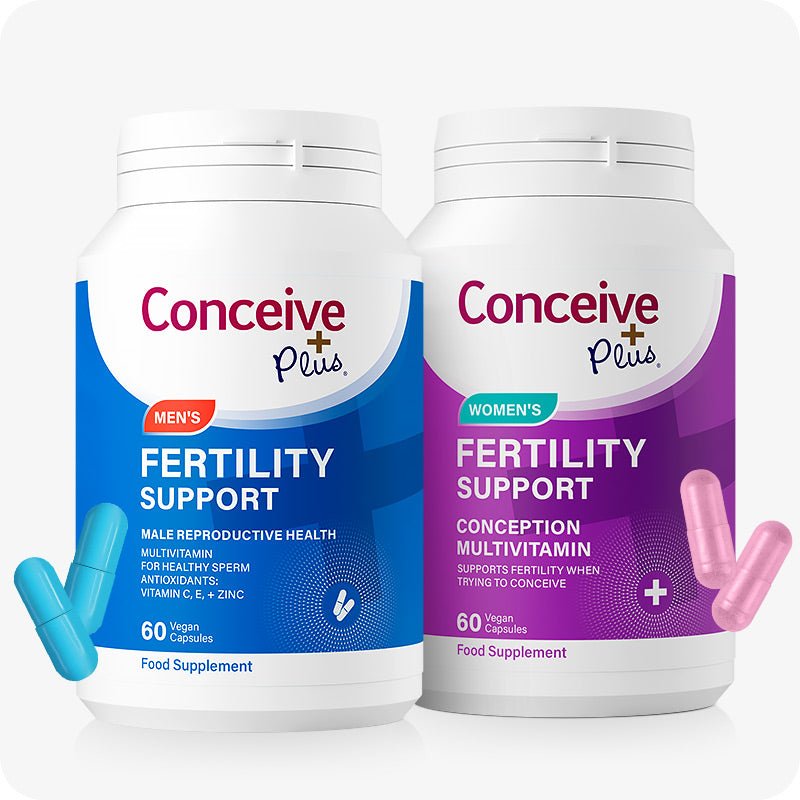
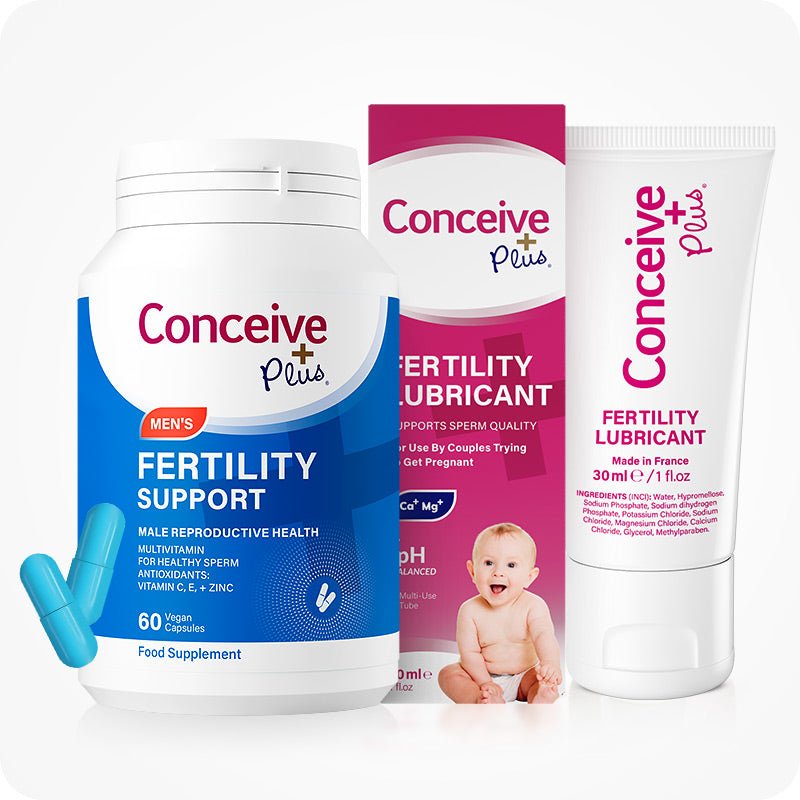
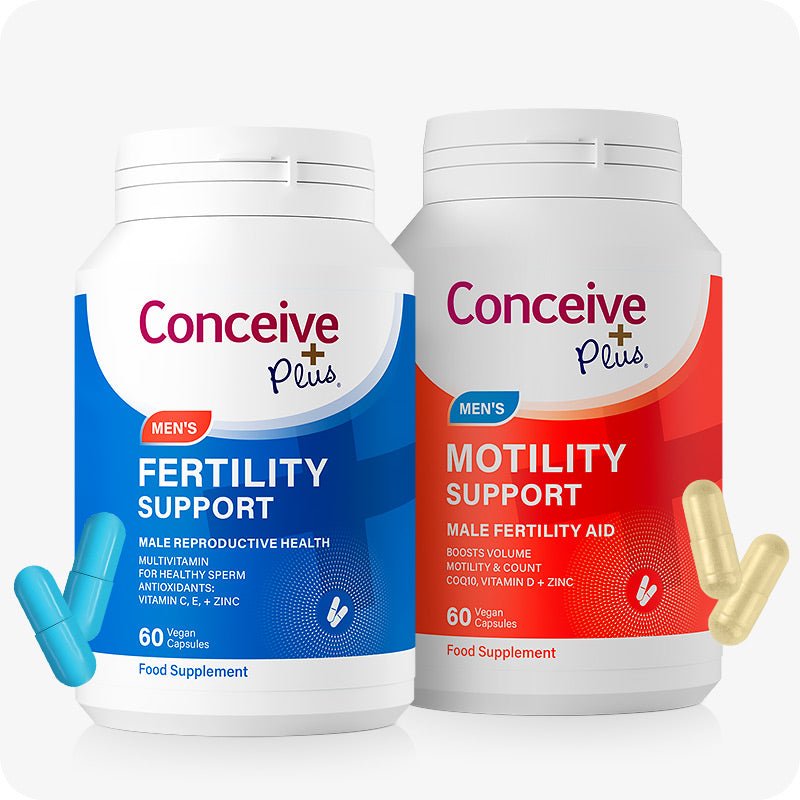
Conceive Plus Men's Fertility Support is formulated with zinc, selenium, CoQ10, vitamin C, and key antioxidants — the nutrients most studied for supporting healthy sperm count, motility and morphology.
The Alarming Decline in Male Fertility: What the Research Shows
One of the most concerning trends in reproductive medicine over the past half-century has been the steady, dramatic decline in sperm counts worldwide. The data is striking — and for men thinking about their future fertility, it warrants serious attention.
A landmark 2017 meta-analysis published in Human Reproduction Update, led by Dr Hagai Levine and colleagues, analysed data from 185 studies covering nearly 43,000 men across North America, Europe, Australia and New Zealand. The findings were alarming: sperm concentration had declined by more than 52% between 1973 and 2011, with total sperm count falling by 59% over the same period — and the decline showed no signs of slowing.
A follow-up analysis published in 2022 extended this data to 2018 and found the decline was accelerating, with sperm counts falling at twice the rate seen before the year 2000. The researchers described this as a "crisis" that extends beyond fertility, noting that poor sperm quality is associated with broader male health outcomes including increased risk of testicular cancer, cardiovascular disease, and metabolic conditions.
The causes of this decline are multifactorial and still being actively researched. Leading theories include:
- Endocrine-disrupting chemicals (EDCs) — widespread in plastics, pesticides, personal care products and food packaging
- Sedentary lifestyles and obesity — both strongly linked to poorer sperm parameters
- Poor diet — ultra-processed food consumption and nutrient deficiencies
- Chronic stress — affecting hormonal balance and oxidative stress levels
- Heat exposure — from laptops, heated car seats, and tight clothing
- Smoking and recreational drug use
Importantly, while the population-level trend is concerning, it also demonstrates something hopeful: sperm health is highly responsive to environmental and lifestyle factors. That means there are meaningful steps men can take to protect and improve their fertility.
Diet and Key Nutrients for Sperm Health
The foods you eat — and the nutrients they contain — have a direct impact on sperm production, quality and function. Sperm are particularly vulnerable to oxidative stress, a state of imbalance between free radicals and antioxidants in the body. A diet rich in antioxidant nutrients can help protect sperm from this damage and support optimal reproductive function.
Here are the key nutrients that research has identified as most important for sperm health:
Zinc
Zinc is one of the most important minerals for male reproductive health. It plays a critical role in testosterone synthesis, sperm formation, and sperm motility. Men with low zinc levels have been consistently shown to have lower sperm counts and poorer motility. Good dietary sources include oysters (one of the richest sources of any food), red meat, poultry, pumpkin seeds, and legumes. The recommended daily intake for adult men is around 11 mg, though studies suggest higher doses may benefit men with deficiencies.
Selenium
Selenium is essential for the formation of selenoproteins that protect sperm from oxidative damage and contribute to sperm motility and morphology. Research has found that men with lower selenium levels tend to have reduced sperm motility. Brazil nuts are exceptionally rich in selenium — just one or two per day can meet your daily needs. Other sources include fish, eggs, and whole grains.
Coenzyme Q10 (CoQ10)
CoQ10 is a naturally occurring antioxidant that plays a central role in cellular energy production. In the reproductive context, CoQ10 is found in high concentrations in seminal fluid, where it helps power sperm motility. Multiple randomised controlled trials have found that CoQ10 supplementation improves sperm concentration, motility, and morphology. CoQ10 levels naturally decline with age, making supplementation particularly relevant for men over 35.
Vitamin C
Vitamin C (ascorbic acid) is one of the most potent antioxidants found in seminal plasma, where it helps protect sperm DNA from oxidative damage. Studies have shown that vitamin C supplementation can reduce sperm DNA fragmentation and improve motility. It is found abundantly in citrus fruits, peppers, strawberries, kiwi, and broccoli.
Vitamin E
Like vitamin C, vitamin E is a powerful antioxidant that works to protect sperm cell membranes from lipid peroxidation — a form of oxidative damage that can impair sperm function. Vitamin C and E often work synergistically, and combined supplementation has been shown in some studies to reduce DNA fragmentation. Good sources include nuts, seeds, vegetable oils, and green leafy vegetables.
Folate
Folate — and its synthetic form, folic acid — is typically associated with female fertility and pregnancy prevention of neural tube defects. However, research increasingly supports a role for folate in male fertility too, particularly in reducing sperm DNA fragmentation and abnormal chromosome content. Leafy greens, legumes, and fortified cereals are good dietary sources.
Omega-3 Fatty Acids
DHA (docosahexaenoic acid), an omega-3 fatty acid, is a major structural component of sperm cell membranes. Higher DHA levels in sperm are associated with better morphology and motility. Omega-3s also have anti-inflammatory properties that may support the overall reproductive environment. Oily fish (salmon, mackerel, sardines), walnuts, and flaxseeds are the best dietary sources.
The Mediterranean Diet Pattern
Beyond individual nutrients, several studies have found that adherence to a Mediterranean-style diet — rich in vegetables, fruits, whole grains, legumes, nuts, olive oil, and fish — is associated with better sperm parameters. This pattern provides a broad array of antioxidants, healthy fats, and micronutrients that collectively support reproductive health.
Lifestyle Factors That Can Damage Sperm
Sperm are constantly being produced and are highly sensitive to the body's internal environment. Several common lifestyle factors can significantly impair sperm health — and most of them are within your control to change.
Heat Exposure
The testes are located outside the body for a very good reason: sperm production (spermatogenesis) requires a temperature approximately 2–4°C lower than core body temperature. Anything that raises scrotal temperature can impair sperm production. Common culprits include:
- Laptop computers rested on the thighs
- Heated car seats
- Tight underwear or trousers (boxers are generally recommended over briefs)
- Hot baths, saunas, and hot tubs — regular use has been shown to reduce sperm counts, though the effect is often reversible after a few months
- Sedentary desk work for prolonged hours
Smoking
The evidence against smoking for male fertility is substantial. Tobacco smoke contains thousands of toxic compounds that increase oxidative stress, damage sperm DNA, reduce sperm count, impair motility, and worsen morphology. Smokers have been shown to have approximately 13–17% lower sperm counts than non-smokers, and higher rates of sperm DNA fragmentation. The good news: many of these effects are at least partially reversible after quitting.
Alcohol
Heavy alcohol consumption disrupts testosterone production, reduces sperm count, and worsens sperm morphology. Even moderate drinking — defined as more than 5 drinks per week in some studies — has been associated with reduced sperm quality. For men actively trying to conceive, reducing or eliminating alcohol is one of the most straightforward steps they can take.
Chronic Stress
Psychological stress triggers the release of cortisol, which can suppress testosterone production and disrupt the hormonal cascade that regulates sperm production. Research has found associations between high perceived stress and lower sperm concentration, motility, and morphology. Stress management — whether through exercise, mindfulness, improved sleep, or therapy — is therefore a legitimate component of a male fertility strategy.
Obesity
Excess body fat, particularly abdominal fat, is associated with lower testosterone levels, higher oestrogen levels, increased scrotal temperature, and elevated oxidative stress — all of which negatively affect sperm production and quality. Studies have found that men with a BMI over 30 have lower sperm counts and higher rates of abnormal morphology compared to men at a healthy weight. Even modest weight loss can produce meaningful improvements in sperm parameters.
Cycling
Prolonged cycling deserves specific mention because it combines two risk factors: increased scrotal temperature and perineal pressure. Several studies have found associations between high-volume cycling (particularly more than five hours per week on road bikes) and reduced sperm motility. Mountain biking has also been linked to higher sperm DNA fragmentation due to vibration. This does not mean men should avoid cycling — but those trying to conceive may wish to moderate long rides, use a well-padded saddle, and take regular breaks.
Exercise and Sperm Health
While excessive or extreme exercise can impair male fertility (particularly endurance sports that raise core and scrotal temperature), moderate regular physical activity has a clearly positive effect on sperm health.
A 2017 systematic review found that men who engaged in moderate exercise had significantly better sperm parameters — including higher sperm count, better motility, and improved morphology — compared to sedentary men. Exercise supports sperm health through several mechanisms:
- Hormonal regulation: Regular exercise supports healthy testosterone levels and reduces elevated oestrogen associated with adipose tissue
- Reduced oxidative stress: Moderate exercise enhances the body's antioxidant defences
- Weight management: Maintaining a healthy weight through exercise reduces many of the fertility-damaging effects of obesity
- Improved circulation: Better blood flow supports testicular function
The optimal exercise type for sperm health appears to be moderate-intensity aerobic exercise (such as brisk walking, swimming, or cycling at low intensity) combined with resistance training. Men should aim for at least 150 minutes of moderate aerobic activity per week, alongside two sessions of resistance training.
Importantly, extremes should be avoided. Men training for marathons or triathlons, or using anabolic steroids for bodybuilding, may see significant reductions in sperm quality. Anabolic steroids, in particular, can cause severe and sometimes long-lasting suppression of sperm production by disrupting the hypothalamic-pituitary-gonadal axis.
Environmental Toxins and Sperm Quality
One of the most significant — and least controllable — threats to modern sperm health comes from environmental exposure to endocrine-disrupting chemicals (EDCs). These are synthetic compounds that interfere with the body's hormonal signalling systems, including those that regulate sperm production.
Plastics and Phthalates
Bisphenol A (BPA) and phthalates are among the most widely studied EDCs. BPA is found in polycarbonate plastics and the lining of food and drink cans. Phthalates are used to make plastics flexible and are present in food packaging, cosmetics, and personal care products. Both have been linked to reduced testosterone levels, lower sperm counts, poorer motility, and increased DNA fragmentation in multiple human studies.
Practical steps to reduce exposure:
- Use glass, stainless steel, or ceramic containers instead of plastic for food and drinks
- Avoid microwaving food in plastic containers
- Choose products labelled BPA-free (though some BPA replacements also have EDC properties)
- Opt for fresh, frozen, or dried foods over canned goods where possible
- Check personal care product ingredients — look for "phthalate-free" labelling
Pesticides
Organophosphate and organochlorine pesticides have been associated with reduced sperm count, poor motility, and higher rates of abnormal morphology in occupationally exposed workers and in men with higher dietary pesticide exposure. Men who work in agriculture, pest control, or manufacturing where they handle these chemicals face the highest risk. For the general population, choosing organic produce for high-pesticide crops (such as strawberries, apples, spinach, and peppers) and washing fruit and vegetables thoroughly can help reduce dietary exposure.
Heavy Metals
Lead, cadmium, and mercury have all been associated with impaired sperm quality. Smoking is one of the primary sources of cadmium exposure. Occupational exposure in certain industries (painting, welding, battery manufacturing) is another route. Limiting fish consumption to 2–3 portions per week (particularly of larger fish higher in the food chain like tuna and swordfish) can help minimise mercury exposure.
Medical Conditions That Affect Male Fertility
While lifestyle and nutrition play an important role in sperm health, it is equally important to understand that medical conditions can significantly affect male fertility — and may require treatment beyond lifestyle changes.
Varicocele
A varicocele is an enlargement of the veins within the scrotum, similar to varicose veins in the legs. It is the most common correctable cause of male infertility, present in approximately 15% of all men and in up to 40% of men investigated for infertility. Varicoceles impair fertility primarily by increasing scrotal temperature and creating a reflux of blood (and potentially toxic metabolites from the adrenal gland) into the testicular circulation. Surgical repair (varicocelectomy) or minimally invasive embolisation can improve sperm parameters in many cases.
Low Testosterone (Hypogonadism)
Testosterone is the primary male sex hormone and is essential for sperm production. Hypogonadism — whether primary (originating in the testes) or secondary (due to problems in the pituitary gland or hypothalamus) — can significantly reduce sperm production. Symptoms may include low libido, fatigue, reduced muscle mass, depression, and erectile dysfunction. Importantly, testosterone replacement therapy (TRT), while it treats low testosterone, can actually suppress sperm production further — men who want to father children should discuss this with a specialist before beginning TRT.
Infections
Sexually transmitted infections (STIs) such as chlamydia and gonorrhoea can cause inflammation of the reproductive tract (epididymitis, orchitis) that may damage sperm or obstruct sperm transport. Mumps orchitis — inflammation of the testes following a mumps infection — can cause lasting damage to sperm production. Regular STI screening and prompt treatment is important for reproductive health.
Hormonal Imbalances
Beyond testosterone, the regulation of sperm production involves a complex hormonal cascade including follicle-stimulating hormone (FSH) and luteinising hormone (LH) from the pituitary gland. Elevated prolactin (hyperprolactinaemia), thyroid disorders, and adrenal conditions can all disrupt this axis and impair fertility. Blood tests can identify these imbalances, many of which are treatable.
Sperm Antibodies
In some men, the immune system produces antibodies that attack their own sperm — a condition called antisperm antibodies (ASA). This can occur following vasectomy reversal, infection, or injury to the reproductive tract. ASA can impair sperm motility and the ability of sperm to penetrate the egg. Assisted reproductive technologies such as IVF with ICSI (intracytoplasmic sperm injection) can often overcome this issue.
How Long Does It Take to Improve Sperm Health? The 90-Day Cycle
One of the most important — and encouraging — facts about sperm health is this: the sperm present in an ejaculate today began their development approximately 74–90 days ago. This is called the spermatogenic cycle.
Spermatogenesis — the production of new sperm — takes approximately 64–74 days in the testes, followed by a further 12–21 days of maturation as sperm travel through the epididymis. By the time sperm are ejaculated, they represent the biological environment of approximately three months prior.
This has several important implications:
- Changes take time to manifest: If you quit smoking, improve your diet, or start taking targeted supplements today, you should not expect to see improvements in a semen analysis within a few weeks — you need to wait at least 3 months for the effects to fully appear
- Past exposures matter: A period of illness, a course of antibiotics, or a particularly stressful stretch at work three months ago may show up in a semen analysis today
- Recovery is possible: Damage from heat exposure, temporary illness, or a period of poor lifestyle habits is generally reversible within 90 days once the underlying cause is addressed
- Commit to a 90-day programme: For men who want to meaningfully improve their sperm health, committing to sustained lifestyle changes and supplementation for a minimum of three months gives the best chance of seeing measurable results
This is why, when couples are preparing for conception, it is recommended that men start making fertility-supportive lifestyle changes at least three months before they begin actively trying to conceive — or three months before any assisted reproduction procedure such as IVF.
The 90-day window is also a powerful motivator. It means that even if a man's sperm health is currently suboptimal, there is a clear, time-limited pathway to improvement. You are, in a very literal biological sense, growing new sperm right now — and every choice you make over the next three months will shape their quality.
Frequently Asked Questions About Sperm Health
Q: What is considered a normal sperm count?
According to the World Health Organization's 2021 reference values, a normal sperm concentration is at least 16 million sperm per millilitre, with a total sperm count per ejaculate of at least 39 million. However, these are reference values, not optimal targets — many fertility specialists aim for higher counts when optimising for natural conception or IVF outcomes.
Q: Can I improve my sperm count naturally?
Yes, in many cases. Sperm count responds meaningfully to lifestyle interventions including improved diet (particularly increased antioxidant intake), regular moderate exercise, maintaining a healthy weight, reducing alcohol and tobacco, managing stress, and avoiding excessive heat exposure. Targeted nutritional supplements — particularly those containing zinc, selenium, CoQ10, and antioxidant vitamins — have also been shown in clinical studies to improve sperm count and other parameters.
Q: How long does it take to improve sperm quality?
Because the sperm production cycle takes approximately 74–90 days, you should allow at least three months before re-testing after making lifestyle or nutritional changes. This is why fertility specialists generally recommend a 90-day commitment to any fertility-focused programme before evaluating its effects through repeat semen analysis.
Q: Does age affect male fertility?
Yes, though the decline in male fertility with age is more gradual than in women. Sperm count, motility, and morphology all tend to decline progressively after the age of 35–40. Sperm DNA fragmentation — damage to the genetic material — also increases with age. Men over 40 typically have higher rates of de novo genetic mutations in sperm. While men can father children well into later life, older paternal age is increasingly recognised as a factor in conception success and offspring health.
Q: Does diet really make a difference to sperm quality?
The research strongly suggests it does. Multiple observational studies and clinical trials have found associations between dietary patterns and sperm parameters. A Mediterranean-style diet rich in antioxidants, healthy fats, and micronutrients is consistently associated with better sperm quality. Conversely, diets high in processed meat, sugar, and trans fats are associated with poorer sperm parameters. Key nutrients including zinc, selenium, folate, CoQ10, vitamin C, vitamin E, and omega-3 fatty acids all have evidence supporting their role in sperm health.
Q: Can stress cause male infertility?
Chronic stress can negatively affect male fertility through several mechanisms. Cortisol — the primary stress hormone — can suppress testosterone production and disrupt the hormonal regulation of sperm production. Research has found associations between high perceived stress and lower sperm concentration, motility, and morphology. Stress management, therefore, is a legitimate and evidence-supported component of a male fertility strategy.
Q: Is it safe to cycle if I'm trying to conceive?
Cycling at a recreational level (a few times per week for less than an hour) is unlikely to have a meaningful impact on sperm health. The concerns relate primarily to high-volume cycling (particularly more than 5 hours per week) due to elevated scrotal temperature and perineal pressure. Men who cycle extensively and are concerned about fertility may wish to reduce volume, use a wider saddle, stand out of the saddle regularly, and wear appropriate padded shorts to minimise compression.
Q: Can laptops and mobile phones damage sperm?
Laptops resting on the lap can raise scrotal temperature sufficiently to impair sperm production over time — this is primarily a heat issue rather than one of radiation. The evidence on mobile phone electromagnetic radiation and sperm health is less conclusive, with some studies finding associations with reduced motility and increased DNA fragmentation, and others finding no significant effect. As a precaution, keeping phones out of trouser pockets and avoiding laptops directly on the lap is a reasonable, low-cost measure.
Q: What is sperm DNA fragmentation, and does it matter?
Sperm DNA fragmentation refers to breaks or damage in the DNA strands carried within sperm. High levels of fragmentation can impair fertilisation, embryo development, and implantation — and are associated with higher rates of miscarriage, even when standard semen analysis values appear normal. DNA fragmentation can be caused by oxidative stress, smoking, infections, age, heat exposure, and varicocele. Antioxidant supplementation and addressing underlying causes can reduce fragmentation levels.
Q: When should I see a doctor about male fertility?
If you and your partner have been having regular unprotected sex for 12 months without conceiving (or 6 months if your partner is over 35), it is appropriate to seek medical advice. Both partners should be evaluated — a semen analysis for the man and hormonal/ovarian assessment for the woman. Men should also see a doctor sooner if they have known risk factors such as a history of undescended testes, testicular injury or surgery, mumps orchitis, or symptoms of hormonal imbalance (low libido, fatigue, reduced body hair).
Take Action on Your Sperm Health Today
The 90-day sperm cycle means the choices you make today can meaningfully improve your fertility in three months. Conceive Plus gives men the nutritional foundation to do exactly that.