Fertility Myths Debunked: 20 Common Misconceptions About Getting Pregnant in Europe


Fertility Myths Debunked: 20 Common Misconceptions About Getting Pregnant in Europe
Fertility is surrounded by myths. From well-meaning advice passed down through generations to misinformation proliferating across social media, separating fact from fiction can be genuinely difficult. These myths are not harmless — they can lead couples to waste precious time, miss fertile windows, avoid seeking medical help, or pursue strategies that have no scientific basis. For couples in Europe trying to conceive, getting the facts straight is essential for making informed, effective decisions.
This guide debunks 20 of the most common fertility myths, drawing on current medical evidence and clinical research. Whether you are just beginning your conception journey or have been trying for some time, understanding what is true and what is not can help you focus your efforts on what actually works.
Myth 1: "You Can't Get Pregnant on Your Period"
While the probability of conception during menstruation is low, it is not zero. Sperm can survive inside the female reproductive tract for up to five days. If you have a short menstrual cycle (21-24 days) and ovulate early — around day 8-10 of your cycle — intercourse during the final days of your period could result in pregnancy, as surviving sperm could meet the egg at ovulation.
Approximately 2-5% of women with regular cycles ovulate during or immediately after their period. The myth that period sex is "safe" from pregnancy has led to unintended conceptions and, conversely, has caused some couples to miss conception opportunities by avoiding intercourse during what could be a fertile window.
Myth 2: "If You Already Have One Child, You Won't Have Fertility Problems"
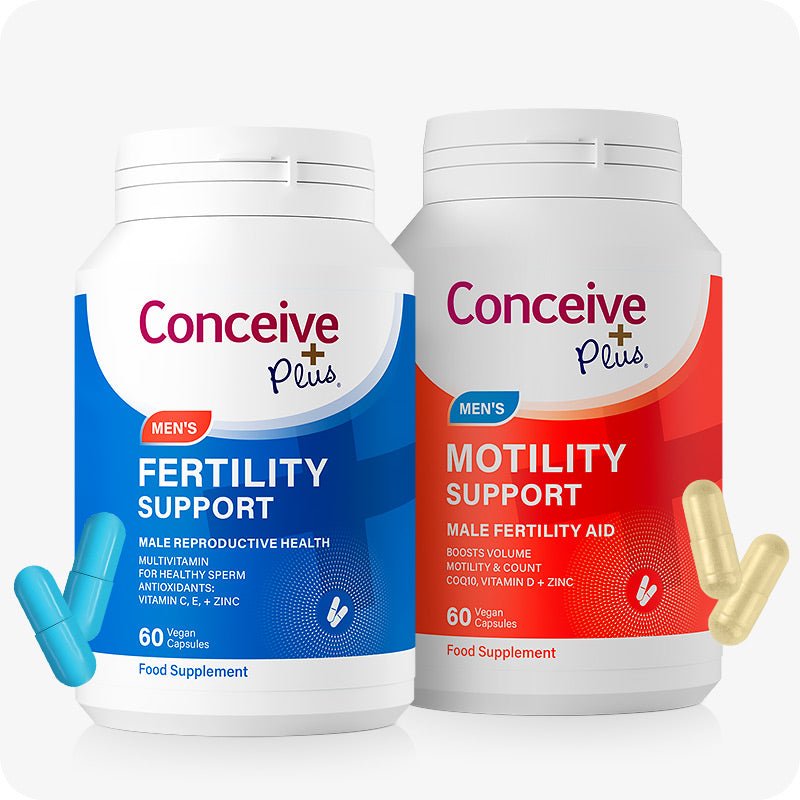
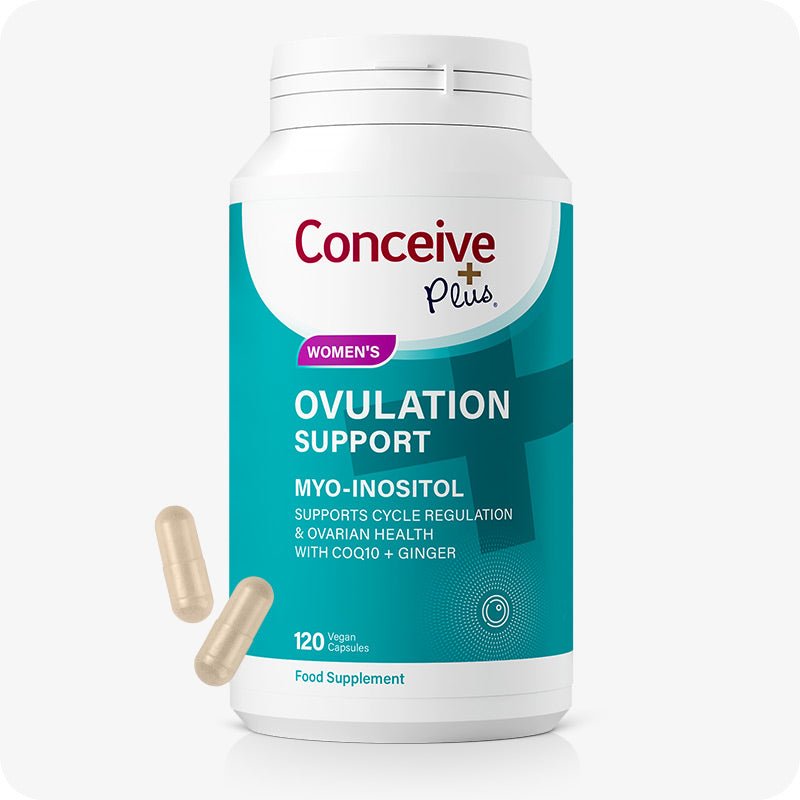
Support Your Fertility Journey with Conceive Plus
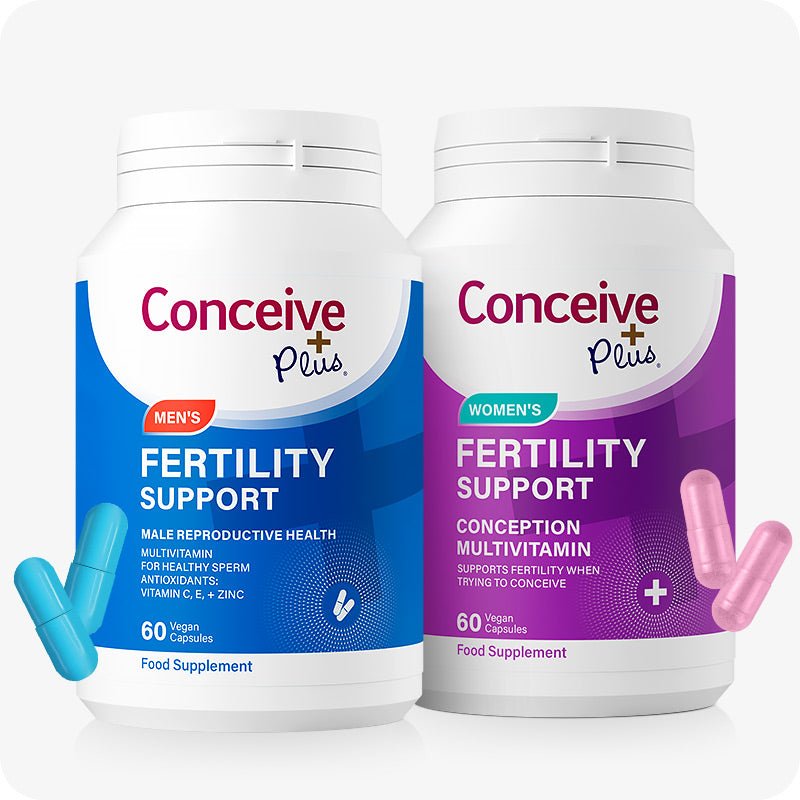
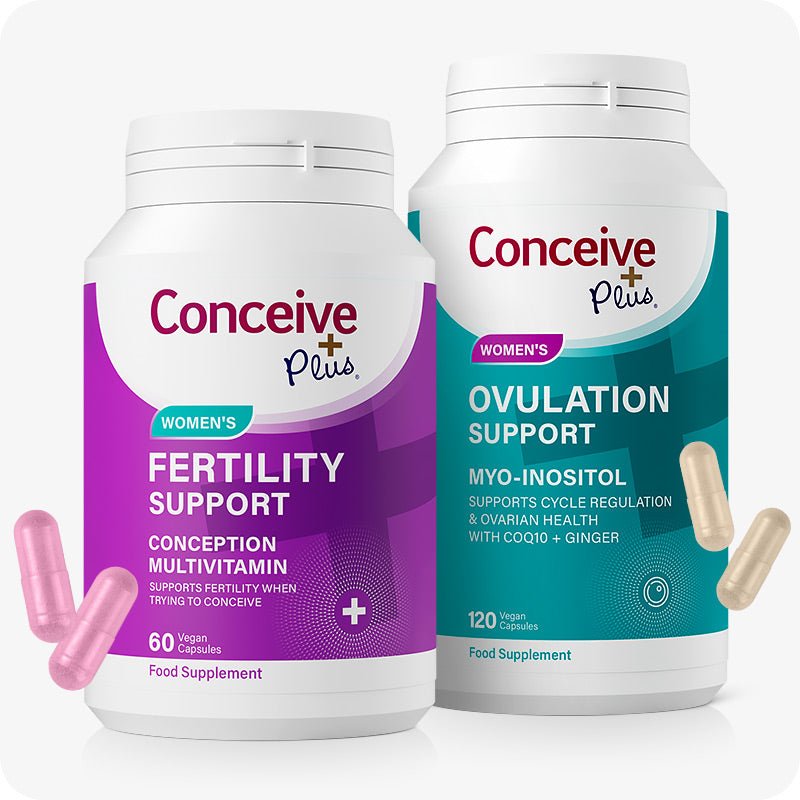
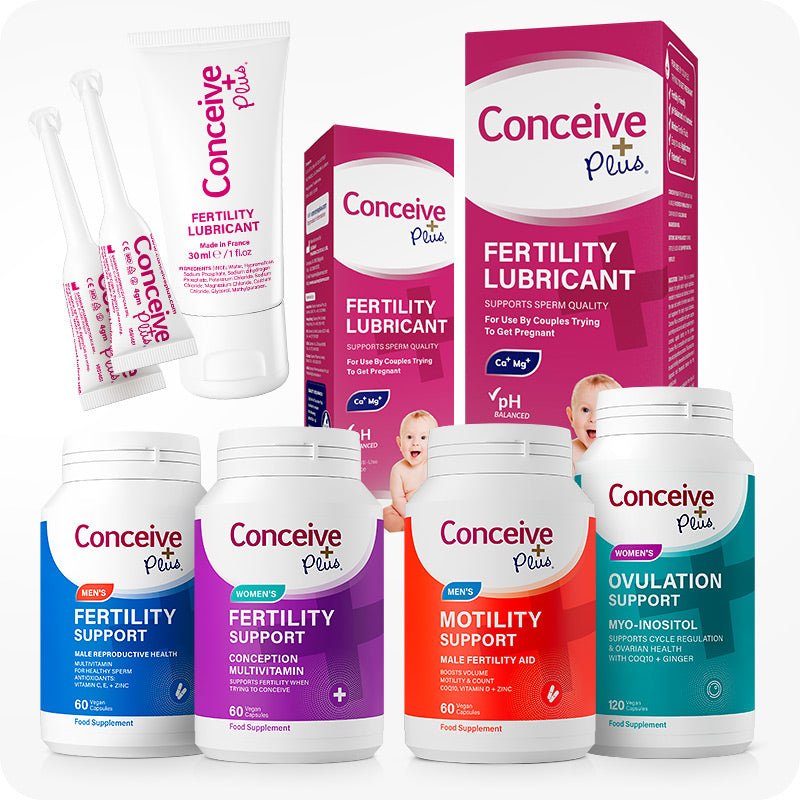
Whether you're just starting out or have been trying for a while, the Conceive Plus fertility support range is scientifically formulated to support your fertility naturally. From comprehensive prenatal nutrition to targeted fertility support for both partners, our range is formulated on the latest reproductive science. Explore our full range and find what's right for you.
Secondary infertility — the inability to conceive or carry a pregnancy to term after already having one or more children — affects approximately 1 in 8 couples. Having a previous successful pregnancy does not guarantee future fertility. Age, new medical conditions, weight changes, pelvic infections, and changes in a partner's sperm quality can all affect fertility between pregnancies.
Research shows that women who had their first child after 35 are at significantly higher risk of secondary infertility, as ovarian reserve continues to decline with age. Couples experiencing secondary infertility should seek the same level of evaluation as those with primary infertility.
Myth 3: "Position During Intercourse Matters for Conception"
There is no scientific evidence that any particular sexual position increases the likelihood of conception. The idea that positions allowing deeper penetration deposit sperm closer to the cervix, or that lying on your back with legs elevated after intercourse helps sperm travel, are myths not supported by research.
Sperm reach the fallopian tubes within minutes of ejaculation, regardless of position. The cervix is designed to pool semen in the posterior vaginal fornix, and cervical mucus actively transports sperm through the cervix and into the uterus. Post-intercourse positioning has no measurable effect on conception rates.
Myth 4: "You're Most Fertile on Day 14 of Your Cycle"
The "day 14" rule is one of the most persistent fertility myths, and it is dangerously misleading. This rule is based on the assumption of a perfect 28-day cycle with ovulation on day 14. In reality, only approximately 15% of women have a textbook 28-day cycle.
Ovulation can occur anywhere from day 8 to day 21 or later, depending on cycle length. Women with 35-day cycles may ovulate around day 21, while women with 26-day cycles may ovulate around day 12. Furthermore, ovulation day can vary from cycle to cycle even in the same woman. Relying on day 14 as the target for intercourse causes many couples to miss their actual fertile window entirely.
The most reliable approach is to track ovulation using ovulation predictor kits, monitor cervical mucus changes, and have intercourse every 2-3 days throughout the cycle, with increased frequency during the detected fertile window.
Myth 5: "Stress Causes Infertility"
This myth is particularly harmful because it places blame on couples already experiencing emotional distress. While chronic stress can affect hormonal balance and ovulation in some women, and may reduce sexual frequency, there is no direct evidence that stress alone causes infertility in the medical sense.
A large study published in Fertility and Sterility following over 3,000 women found no association between stress levels and the probability of conception. Women undergoing fertility treatment who received stress-reduction interventions did not have higher pregnancy rates than those who did not. While managing stress is important for overall wellbeing and quality of life during fertility treatment, telling couples to "just relax" is both scientifically unfounded and emotionally damaging.
Myth 6: "Age Only Affects Women's Fertility"
While the impact of age on female fertility is more pronounced and begins earlier, male fertility also declines with age. After age 40, men experience a gradual decrease in sperm count, motility, and morphology. More significantly, advanced paternal age (over 45-50) is associated with increased sperm DNA fragmentation, higher rates of miscarriage, and elevated risk of genetic conditions in offspring, including autism and schizophrenia.
A Danish study of over 50,000 pregnancies found that men over 45 took longer to achieve conception and had a 35% higher rate of infertility compared to men under 30. Male age is an important factor that deserves the same attention as female age.
Myth 7: "Supplements Can Reverse Ovarian Aging"
No supplement, diet, or lifestyle change can reverse the natural decline of ovarian reserve. AMH levels and egg quantity decline irreversibly with age. While supplements like CoQ10 and DHEA may improve egg quality (the competence of remaining eggs), they cannot create new eggs or increase ovarian reserve.
This myth leads some women to delay seeking medical help, believing that supplements will restore their fertility. If you are over 35 and have been trying for six months, seeking professional evaluation is more important than any supplement regimen.
Myth 8: "You Should Only Have Sex When You're Ovulating"
While timing intercourse to the fertile window is optimal, exclusively having sex only around ovulation can actually reduce conception chances. A study published in Fertility and Sterility found that couples who had sex only during the predicted fertile window had lower conception rates than couples who had intercourse 2-3 times per week throughout the cycle.
Regular ejaculation maintains sperm quality by preventing the accumulation of DNA-damaged sperm that occurs with prolonged abstinence. Additionally, frequent intercourse ensures that sperm are present in the reproductive tract whenever ovulation does occur, compensating for uncertainty in timing.
Myth 9: "Lubricants Don't Affect Sperm"
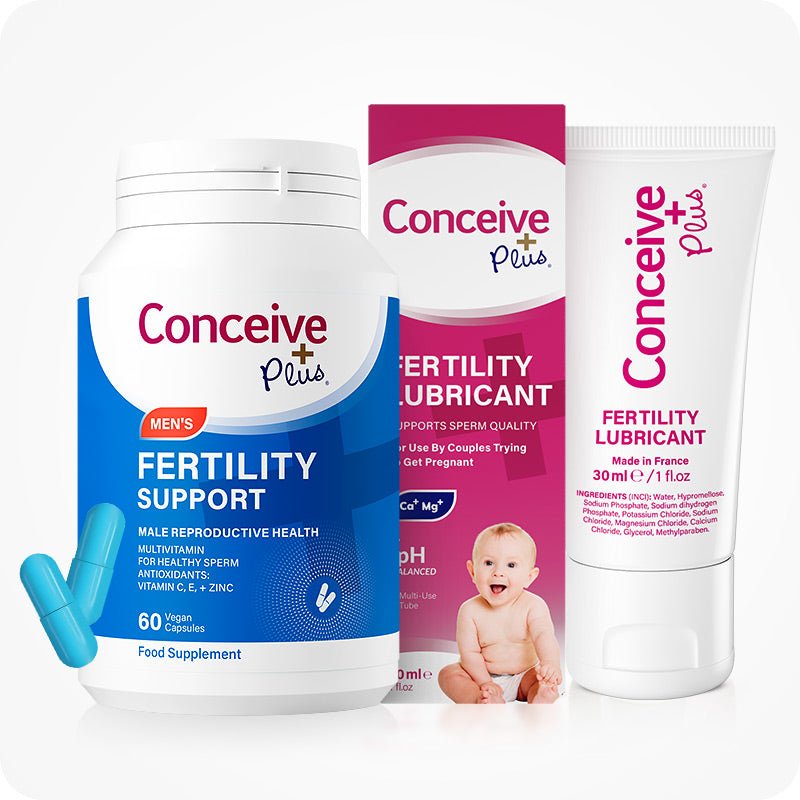
As covered in detail in our fertility lubricants guide, most conventional lubricants are toxic to sperm. Saliva, water, KY Jelly, and many other popular products can reduce sperm motility by 70-100%. Only specially formulated fertility lubricants like Conceive Plus are designed to support sperm survival. If you use lubrication, choosing a sperm-compatible product is essential.
Myth 10: "You Should Wait a Year Before Seeking Help"
The one-year guideline applies only to women under 35 with no known risk factors. For women 35 and over, the threshold is six months. For women over 38, or those with known risk factors (irregular cycles, endometriosis, PCOS, prior surgery, repeated miscarriage), evaluation should begin immediately.
Delaying evaluation can mean lost time that cannot be recovered, particularly for women with declining ovarian reserve. Early testing identifies issues while treatment options are widest and most effective.
Myths 11-15: Diet, Lifestyle, and Conception
Myth 11: "Eating pineapple core helps with implantation."
The bromelain in pineapple has anti-inflammatory properties, and this myth originated from IVF forums. However, no clinical study has demonstrated that eating pineapple improves implantation rates. A balanced anti-inflammatory diet is beneficial, but no single food has magical implantation properties.
Myth 12: "Cough syrup thins cervical mucus and helps sperm."
The active ingredient guaifenesin is an expectorant that thins mucus, and some women take it to improve cervical mucus. The evidence is anecdotal and conflicting, with no robust clinical trials supporting this use. Improving cervical mucus naturally through hydration and fertility lubricant is more reliable.
Myth 13: "You should avoid exercise when trying to conceive."
Moderate exercise is beneficial for fertility in both men and women. Only excessive, high-intensity exercise (such as training for endurance events) has been linked to reduced fertility, particularly in women with low body fat. A balanced exercise routine supports hormonal health and reduces stress.
Myth 14: "Acupuncture guarantees IVF success."
Acupuncture has shown modest benefits in some IVF studies, with a small improvement in pregnancy rates, but the evidence is mixed and the effect is not guaranteed. It can be a useful complementary therapy for stress reduction, but it is not a magic bullet.
Myth 15: "Organic food improves fertility."
While reducing pesticide exposure is reasonable, there is no direct evidence that eating organic food improves fertility outcomes. A Mediterranean-style diet rich in fruits, vegetables, whole grains, and healthy fats has the strongest evidence for fertility support, regardless of organic status.
Myths 16-20: Medical Misconceptions
Myth 16: "IVF always results in multiple births."
With modern single-embryo transfer (SET) protocols, the rate of twins and higher-order multiples from IVF has decreased dramatically. Many clinics now default to SET, which virtually eliminates the risk of multiples while maintaining excellent pregnancy rates.
Myth 17: "Fertility treatment means you'll have a baby."
IVF success rates vary significantly by age and individual circumstances. For women under 35, the live birth rate per IVF cycle is approximately 40-50%. For women over 42, it drops to below 5% using own eggs. Fertility treatment offers hope but does not guarantee a baby.
Myth 18: "A normal period means you're ovulating."
You can have regular bleeding without ovulation. Anovulatory cycles, where the ovary does not release an egg, can still produce menstrual-like bleeding. Confirming ovulation through tracking (OPKs, BBT, or progesterone testing) is the only way to know for sure.
Myth 19: "If you've had a miscarriage, you'll have another one."
After one miscarriage, the chance of a subsequent successful pregnancy is approximately 85%. Even after two consecutive miscarriages, the majority of women go on to have successful pregnancies. Only after three or more does the risk of recurrence increase significantly, warranting investigation for recurrent pregnancy loss.
Myth 20: "Male infertility means something is wrong with your masculinity."
Male factor infertility is a medical condition, not a reflection of virility or masculinity. It is as common as female infertility, affecting approximately 50% of infertile couples. Varicoceles, hormonal imbalances, infections, and genetic factors can all affect sperm production independently of sexual function. Seeking evaluation and treatment is a responsible and courageous step, not something to be stigmatised.
Frequently Asked Questions About Fertility Myths
Q: Is there any truth to the idea that certain foods boost fertility?
A: Yes, but not in the way myths suggest. A Mediterranean diet rich in vegetables, fruits, whole grains, olive oil, and fish is associated with improved fertility outcomes. Specific foods like leafy greens (folate), walnuts (omega-3), and berries (antioxidants) support reproductive health, but no single food dramatically changes fertility.
Q: Can timing intercourse to specific days guarantee a boy or girl?
A: No. The Shettles Method and similar gender-selection timing theories have been debunked by scientific research. Sperm carrying X or Y chromosomes have identical survival and speed characteristics. The only reliable method for sex selection is preimplantation genetic testing during IVF.
Q: Does having an orgasm increase the chances of conception?
A: The evidence is inconclusive. Uterine contractions during orgasm may theoretically assist sperm transport, but studies have not demonstrated a significant difference in conception rates. Intercourse without orgasm still results in pregnancy for many couples.
Q: Is it true that standing on your head after sex helps sperm?
A: Absolutely not. This is a persistent myth with no scientific basis. Sperm reach the fallopian tubes within minutes regardless of body position. Inversions like headstands offer no fertility benefit and could be dangerous for some people.
Q: Can you get pregnant without ever having a period?
A: Yes, if you ovulate. Women with very irregular cycles, those coming off hormonal contraception, and those with conditions like hypothalamic amenorrhea can ovulate unpredictably. If you do not want to conceive, contraception is necessary even without regular periods.
Q: Do fertility apps accurately predict ovulation?
A: Fertility apps that use calendar-based predictions alone are inaccurate for many women. Apps that incorporate basal body temperature, cervical mucus tracking, and ovulation predictor kit results are more reliable. No app can match the accuracy of direct ovulation testing.
Q: Is it safe to take birth control pills long-term before trying to conceive?
A: Yes. Long-term oral contraceptive use does not harm fertility. Most women resume ovulating within 1-3 months of stopping the pill. Fertility returns to baseline regardless of how long you took birth control.
Q: Can hot baths or saunas reduce male fertility?
A: Yes. Testicular temperature affects sperm production, and frequent hot baths, saunas, or hot tubs can temporarily reduce sperm quality. Avoiding heat exposure for 2-3 months before conception attempts is recommended for men with borderline sperm parameters.
Q: Does being overweight really affect fertility that much?
A: Yes. A BMI over 30 is associated with reduced fertility in both men and women. In women, excess weight disrupts hormonal balance and ovulation. In men, it reduces testosterone and sperm quality. Even a 5-10% weight loss can significantly improve fertility outcomes.
Q: Where can I find reliable fertility information in Europe?
A: Consult a fertility specialist or reproductive endocrinologist for personalised guidance. Reputable sources include professional fertility organisations and the Conceive Plus resource library at conceiveplus.eu, where evidence-based articles cover every aspect of the fertility journey.
Ready to Take the Next Step?
Conceive Plus has helped thousands of couples on their path to parenthood. From comprehensive prenatal nutrition to targeted fertility support for both partners, our range is formulated on the latest reproductive science. Explore the Conceive Plus fertility support range — trusted by healthcare professionals and couples around the world.