The Man's Guide to Fertility: How to Optimise Sperm Health Naturally


Male fertility is a topic that's long been underrepresented in conversations about conception — despite the fact that male factor contributes to approximately 50% of all fertility challenges. When couples struggle to conceive, the investigation and the spotlight have historically fallen predominantly on the female partner. That's changing, and for good reason: understanding and optimising male fertility is essential to the whole picture.
The good news is that sperm health is remarkably responsive to lifestyle. Unlike eggs, which are present from birth and cannot be regenerated, sperm are continuously produced — a new cohort matures every 72–74 days. This means that the choices you make today directly influence the sperm that will be produced in approximately 3 months' time. This is both a challenge and an opportunity: you have genuine agency over your sperm health.
This guide covers everything men need to know about fertility — from understanding how sperm parameters are evaluated to the evidence-based lifestyle changes, nutritional strategies, and supplements that can make a meaningful difference.
Understanding Sperm Parameters: What Matters and Why
When male fertility is assessed, semen analysis is the cornerstone investigation. A standard analysis evaluates multiple parameters, each providing different information about sperm health. The World Health Organization (WHO) updated its reference values in 2021 following analysis of fertile male populations worldwide.
Sperm Concentration: The number of sperm per millilitre of semen. The WHO 2021 lower reference limit is 16 million sperm per millilitre. Below this level is termed oligospermia (low sperm count).
Total Sperm Count: The total number of sperm in the entire ejaculate. WHO reference value: ≥39 million. Total count may matter more than concentration alone when volume is low.
Motility: The percentage of sperm that are moving. WHO reference values: total motility (any movement) ≥42%; progressive motility (swimming forward) ≥30%. Poor motility is called asthenospermia.
Morphology: The percentage of sperm with normal shape. Using WHO strict criteria (Kruger), the reference value is ≥4% normal forms. While morphology is one of the more controversial parameters in natural conception, very poor morphology can indicate underlying issues.
Volume: The amount of fluid ejaculated. WHO reference value: ≥1.4 mL. Very low volume may indicate retrograde ejaculation or accessory gland problems.
Sperm DNA Fragmentation: Not measured in standard semen analysis, but increasingly important. High DNA fragmentation can impair fertilisation, embryo development, and increase miscarriage risk — even when standard parameters appear normal. Research suggests that up to 25% of men with normal standard semen parameters have elevated DNA fragmentation.
Lifestyle Factors That Directly Affect Sperm Health
Supporting Your Journey
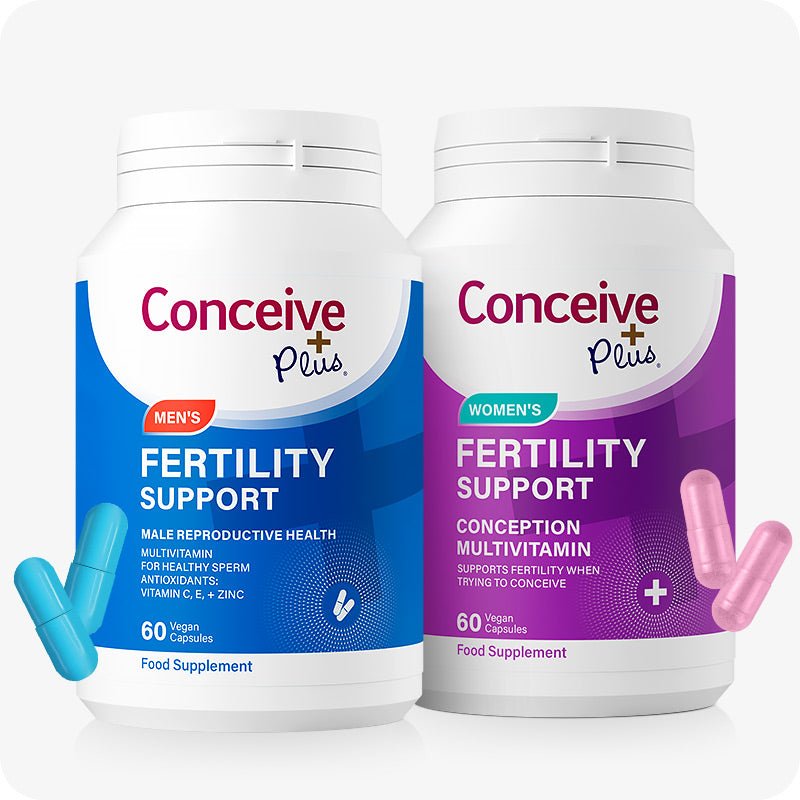
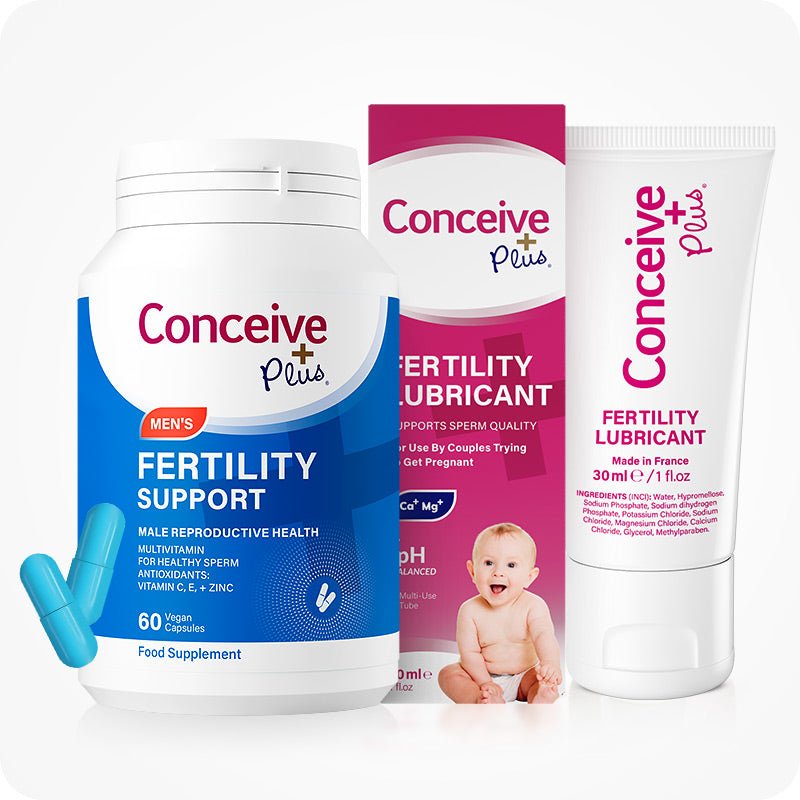
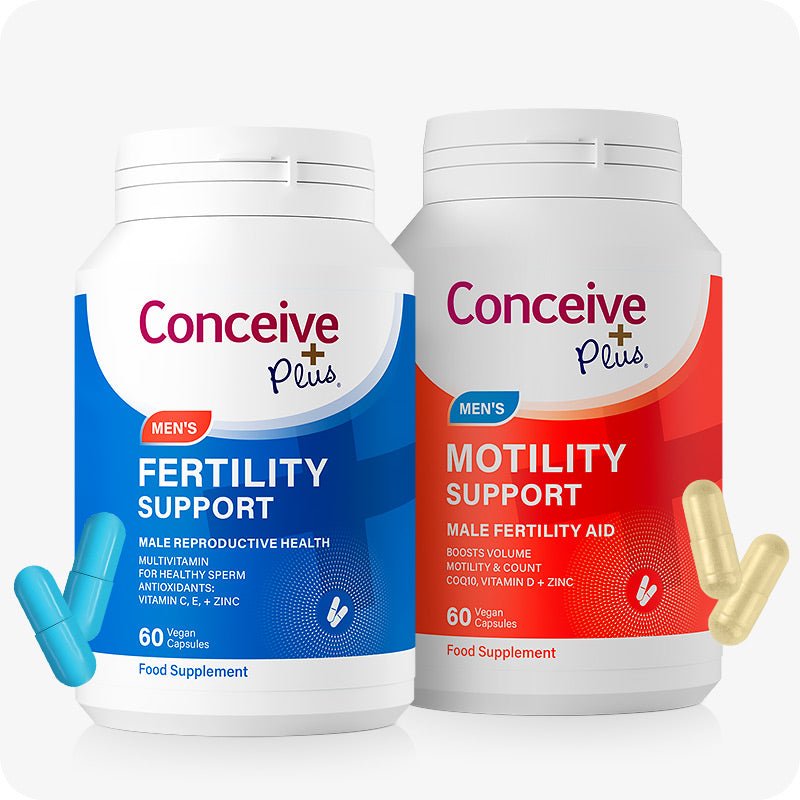
Optimising sperm health starts with the right nutritional foundation. Conceive Plus Men's Fertility Support is formulated with clinically studied ingredients including zinc, selenium, CoQ10, and folate — nutrients shown to support healthy sperm count, motility, and morphology.
Explore Conceive Plus Men's Fertility Support →Spermatogenesis — the process of sperm production — is highly sensitive to physiological conditions. Multiple lifestyle factors have strong evidence linking them to sperm quality.
Alcohol: A comprehensive meta-analysis published in Reproductive Biology and Endocrinology found that regular alcohol consumption is associated with reduced sperm concentration, motility, and morphology. Heavy drinking (more than 14 units per week) shows the strongest negative effects. Alcohol increases oxidative stress within the testes and disrupts the hypothalamic-pituitary-gonadal axis, which controls testosterone production. Reducing alcohol intake to minimal levels (fewer than 5 units per week, ideally less) is one of the most impactful changes a man trying to father a child can make.
Smoking: Smoking is one of the most well-documented fertility disruptors in men. A meta-analysis in European Urology analysed 27 studies and found that smoking significantly reduces sperm concentration, motility, morphology, and increases DNA fragmentation. The mechanism involves toxic compounds in cigarette smoke generating reactive oxygen species that damage sperm directly. Quitting smoking is strongly recommended — sperm parameters begin to improve within 3 months of cessation.
Recreational Drugs: Cannabis use is associated with reduced sperm concentration and motility, altered morphology, and reduced testosterone. Anabolic steroids — including testosterone supplements used for bodybuilding — dramatically suppress natural testosterone and sperm production, causing testicular atrophy. Even short-term steroid use can cause prolonged suppression taking 12–24 months or longer to recover.
Body Weight: Both obesity and being significantly underweight are associated with poorer sperm parameters. Excess adipose tissue converts testosterone to oestrogen (aromatisation), lowering testosterone and disrupting the hormonal environment of the testes. A BMI in the healthy range (18.5–24.9) is associated with better sperm quality. Research published in Fertility and Sterility found that weight loss in obese men improved testosterone levels, sperm concentration, and reduced DNA fragmentation.
Sleep: Testosterone production peaks during deep sleep, and testosterone is essential for spermatogenesis. Men who consistently sleep fewer than 6 hours or more than 9 hours show reduced sperm parameters in observational studies. Optimising sleep quality — 7–8 hours per night, consistent schedule — supports testosterone production and overall reproductive health.
Stress: Chronic psychological stress elevates cortisol, which suppresses testosterone production and can impair sperm parameters. A study in Fertility and Sterility found that men reporting high stress had lower sperm concentration and morphology. Stress management techniques — exercise, mindfulness, counselling — therefore have a legitimate place in a male fertility optimisation plan.
Nutrition for Sperm Health: What to Eat
Diet significantly influences sperm quality through several mechanisms: providing the raw materials for sperm production, reducing oxidative stress, and supporting the hormonal environment. The Mediterranean diet has the strongest evidence base for male fertility benefits.
Antioxidant-Rich Foods: Oxidative stress is one of the primary mechanisms of sperm damage. Sperm are particularly vulnerable because their membranes are rich in polyunsaturated fatty acids and they have limited antioxidant capacity of their own. Key antioxidant foods:
- Vitamin C: Peppers, citrus fruits, strawberries, kiwi, broccoli — reduces sperm DNA fragmentation and improves motility
- Vitamin E: Nuts, seeds, avocado, olive oil — protects sperm membranes, works synergistically with selenium
- Lycopene: Cooked tomatoes, tomato paste, watermelon — concentrated in the testes; improves sperm concentration and morphology
- Beta-carotene: Carrots, sweet potato, spinach, mango — precursor to vitamin A, important for spermatogenesis
Zinc: The most important mineral for male fertility. Involved in testosterone synthesis, sperm production, and the protection of sperm DNA. Foods rich in zinc include oysters (the richest source), beef, pumpkin seeds, chickpeas, and lentils. Studies consistently show zinc supplementation improves sperm concentration and motility in men with deficiency.
Selenium: Essential for the formation of selenoproteins that protect sperm from oxidative damage and are structurally important in the sperm flagellum (the tail that drives motility). Brazil nuts are the richest source — just 1–2 Brazil nuts per day can meet daily requirements. Selenium deficiency is relatively common in parts of Europe where soil selenium content is low.
Omega-3 Fatty Acids: DHA is a key component of sperm cell membranes and is essential for sperm motility and fertility. Research published in the Journal of Nutrition and Endocrinology found that men with higher omega-3 intake had significantly better sperm morphology. Sources: oily fish (salmon, mackerel, sardines, herring), flaxseeds, walnuts, chia seeds.
Folate: Required for DNA synthesis and repair during spermatogenesis. Deficiency is associated with increased sperm DNA fragmentation. Sources: leafy greens, legumes, fortified foods, eggs.
Foods to Limit:
- Processed meats — associated with lower sperm morphology in multiple studies
- Trans fats — found in processed foods; associated with lower total sperm count
- High-mercury fish — shark, swordfish, king mackerel; mercury is a reproductive toxin
- High-pesticide produce — wash thoroughly or choose organic for high-pesticide crops
Heat and Sperm Quality: Why Temperature Matters
Sperm production requires a temperature approximately 2–4°C below core body temperature — which is why the testes are located outside the body in the scrotum, with an elaborate heat-exchange mechanism to maintain this cooler environment.
Any sustained elevation in scrotal temperature impairs spermatogenesis. Evidence implicating heat exposure includes:
- Laptop computer use on the lap: A study in Fertility and Sterility found that laptop use elevated scrotal temperature significantly. Use a desk or lap desk instead.
- Prolonged sitting: Jobs requiring extended sitting are associated with elevated scrotal temperature. Regular breaks to stand are advisable.
- Hot baths, saunas, hot tubs: A study in the British Journal of Urology found that men who regularly used saunas had significantly lower sperm concentration and motility, with recovery taking 3–6 months after cessation.
- Heated car seats: Prolonged use is associated with poorer sperm parameters in professional drivers.
- Tight underwear: Holds the testes closer to the body. Switching to looser-fitting underwear is a low-cost, low-risk step.
- Fever: Acute fever can temporarily worsen sperm parameters — effects typically appear 2–3 months after the fever and resolve within 3–6 months.
Environmental Toxins and Male Fertility
Environmental exposure to endocrine-disrupting chemicals (EDCs) — compounds that interfere with hormonal signalling — is an increasingly recognised cause of declining male fertility. Global sperm counts have declined significantly over recent decades; a meta-analysis published in Human Reproduction Update found a 62% decline in sperm concentration in Western men between 1973 and 2018.
Key EDCs to be aware of:
- Phthalates: Found in plastics, personal care products, food packaging. Minimise by choosing glass or stainless containers, avoiding heating food in plastic, checking personal care products for phthalate content.
- Bisphenol A (BPA): Found in polycarbonate plastics and can linings. Associated with reduced sperm concentration and motility. Choose BPA-free products or glass/stainless alternatives.
- Pesticides: Particularly organophosphates. Occupational exposure (farming, groundskeeping) carries higher risk. Wash all produce thoroughly.
- Heavy metals: Lead, mercury, and cadmium are reproductive toxins. Limit high-mercury fish intake.
- Parabens: Preservatives in cosmetics with weak oestrogenic activity. Choosing paraben-free products is a prudent step.
Supplements That Have Scientific Evidence
Research supports a role for specific supplements in improving sperm parameters — particularly in men with suboptimal levels of key micronutrients or elevated oxidative stress.
Coenzyme Q10 (CoQ10): A powerful antioxidant concentrated in the mitochondria of the sperm midpiece, directly powering motility. Multiple randomised controlled trials show CoQ10 supplementation improves sperm motility and, in some studies, concentration and morphology. The ubiquinol form (active form) is more bioavailable. Typical doses studied: 200–600 mg daily.
L-Carnitine: An amino acid derivative essential for sperm energy metabolism. Studies show L-carnitine improves sperm motility and reduces DNA fragmentation. Often combined with acetyl-L-carnitine in research formulations. Doses: 1–3 g daily.
Zinc: At 25–30 mg/day (zinc sulfate or zinc gluconate), supplementation has improved sperm parameters in multiple trials, particularly in men with low zinc status.
Selenium: At 55–200 mcg daily, selenium supports sperm structure and antioxidant defence. Often studied in combination with vitamin E.
Folate: 400–800 mcg daily reduces sperm DNA abnormalities. The methylfolate form is preferred for those with MTHFR gene variants.
Vitamin D: Vitamin D receptors are present in testicular tissue and sperm. Vitamin D deficiency is associated with poorer sperm motility and morphology. Supplementation in deficient men has shown improvements in testosterone and sperm parameters. Testing 25(OH)D levels and supplementing to achieve 50–80 nmol/L is recommended.
Lycopene: 4–8 mg daily from supplements or cooked tomato sources has been shown to improve sperm concentration and morphology in clinical studies.
Ashwagandha: An adaptogenic herb with growing evidence for male fertility. A randomised controlled trial published in Fertility and Sterility found that Withania somnifera root extract significantly improved sperm concentration, motility, and volume in men with low sperm parameters, alongside improvements in testosterone levels.
Medical Causes of Male Infertility
While lifestyle optimisation can make a significant difference, some causes of male infertility require medical evaluation and treatment.
Varicocele: A dilation of the veins draining the testicle, found in approximately 15% of all men and 35–40% of men presenting with infertility — making it the most common correctable cause of male infertility. Varicoceles impair sperm production by raising testicular temperature and increasing oxidative stress. Surgical or radiological treatment can improve sperm parameters in many cases.
Hypogonadism: Reduced testosterone production can be primary (testicular failure) or secondary (pituitary dysfunction). Secondary hypogonadism may be treatable with medications that stimulate the body's own hormone production, potentially improving sperm production.
Obstructive Azoospermia: Complete absence of sperm due to blockage in the reproductive tract. Sperm production may be normal. Surgical sperm retrieval combined with ICSI can enable fatherhood.
Retrograde Ejaculation: Semen travels backward into the bladder rather than outward during ejaculation. Treatment options include medication and sperm retrieval from post-ejaculatory urine for use in IUI or IVF.
Frequently Asked Questions About Male Fertility
Q: How long does it take for lifestyle changes to improve sperm quality?
A: Because it takes approximately 74 days to produce a new generation of sperm, lifestyle changes require at least 3 months to show up in semen analysis results. Start optimisation efforts at least 3 months before you plan to try to conceive, and reassess with a repeat semen analysis after 3–6 months of changes.
Q: Can cycling damage male fertility?
A: Prolonged cycling raises scrotal temperature and can cause perineal nerve compression. Recreational cycling at moderate levels is unlikely to significantly impact fertility. Very high-volume cycling has been associated with poorer sperm parameters. Wearing properly padded shorts and using an ergonomic saddle minimises risk.
Q: My testosterone is normal but sperm count is low. How is that possible?
A: Testosterone levels in the blood don't always reflect testosterone levels within the testes, where much higher concentrations are needed for spermatogenesis. Normal blood testosterone doesn't guarantee normal sperm production — other factors may be affecting sperm production independently of circulating testosterone.
Q: Is it safe to take testosterone supplements to boost fertility?
A: Absolutely not. Exogenous testosterone suppresses the body's own testosterone production and dramatically impairs sperm production. This effect is paradoxical — boosting testosterone from outside actually reduces it where sperm production needs it. Recovery after stopping can take 12 months or longer and is not guaranteed.
Q: Does age affect male fertility?
A: While men can father children into old age, sperm quality does decline with age. From around age 40–45, sperm DNA fragmentation increases, and offspring of older fathers have slightly higher rates of certain genetic conditions. The decline is less pronounced than in women, but it is real and clinically relevant.
Q: My partner has been tested and everything is normal. Does my fertility still matter?
A: Absolutely. Male factor is present in approximately 50% of fertility challenges. "Normal" female fertility doesn't compensate for poor sperm quality. A thorough assessment of both partners is always indicated.
Q: Can I improve my morphology?
A: Yes, to some extent. Morphology is influenced by oxidative stress, heat exposure, nutritional deficiencies, and lifestyle factors. Antioxidant supplementation, reducing heat exposure, optimising nutrition, quitting smoking, and reducing alcohol have all been associated with morphology improvements in studies.
Q: What is sperm DNA fragmentation and should I test for it?
A: DNA fragmentation refers to breaks in the DNA strands within sperm. High fragmentation (typically above 15–25%) is associated with reduced fertilisation rates, poorer embryo quality, higher miscarriage rates, and IVF failure — even with normal standard parameters. Testing is particularly recommended for couples with unexplained infertility, recurrent miscarriage, or failed IVF cycles. Antioxidant supplementation can help reduce DNA fragmentation.
Your fertility is not fixed — it's responsive. With the right information and the willingness to make evidence-based changes, most men can meaningfully improve their sperm health. Three months of focused effort could make a real difference to your fertility journey.
Supporting Your Journey
Optimising sperm health starts with the right nutritional foundation. Conceive Plus Men's Fertility Support is formulated with clinically studied ingredients including zinc, selenium, CoQ10, and folate — nutrients shown to support healthy sperm count, motility, and morphology.
Explore Conceive Plus Men's Fertility Support →