IVF Preparation in 2026: Your Complete Guide to Optimising Mind, Body, and Nutrition Before Treatment


IVF Preparation in 2026: Your Complete Guide to Optimising Mind, Body, and Nutrition Before Treatment
Preparing for in vitro fertilisation (IVF) is one of the most significant commitments a person or couple can make. The process involves physical, emotional, and logistical demands that extend well before the first injection and continue long after the egg retrieval. Understanding how to prepare your body and mind — and what steps you can take to optimise your chances — can make a genuine difference to your experience and your outcomes.
This guide draws on current reproductive medicine evidence to provide a comprehensive roadmap for IVF preparation: from the three-month nutritional preparation window to mental health support, from understanding your diagnostic results to navigating the treatment cycle itself with clarity.
Understanding IVF: What You Need to Know Before You Begin
IVF is an assisted reproductive technology in which eggs are retrieved from the ovaries after hormonal stimulation, fertilised with sperm in a laboratory, and the resulting embryo(s) transferred back into the uterus. The procedure has evolved dramatically since the birth of the first IVF baby, Louise Brown, in 1978. Today, global IVF success rates — measured as live birth rates per embryo transfer — average approximately 30–40% for women under 35, declining with age due primarily to egg quality factors.
A typical IVF cycle involves several phases: baseline assessment, ovarian stimulation (typically 8–14 days of injectable gonadotrophin medications), monitoring via ultrasound and blood tests, egg retrieval under anaesthesia, laboratory fertilisation (standard insemination or ICSI — intracytoplasmic sperm injection), embryo culture and assessment (3–5 days), and embryo transfer. Any surplus good-quality embryos are typically vitrified (frozen) for future use.
Understanding this process in advance reduces anxiety and helps you engage actively in each phase. Ask your clinic to walk you through their specific protocol, including the medications involved, the monitoring schedule, and what to expect at each stage.
The Three-Month Preparation Window: Why It Matters
The three months before your IVF egg retrieval represent a critical window for optimisation. This is because the eggs that will be retrieved in your IVF cycle — and the sperm that will fertilise them — are maturing during this entire period. Biological processes set in motion months before the cycle will influence the quality of the gametes collected on retrieval day.
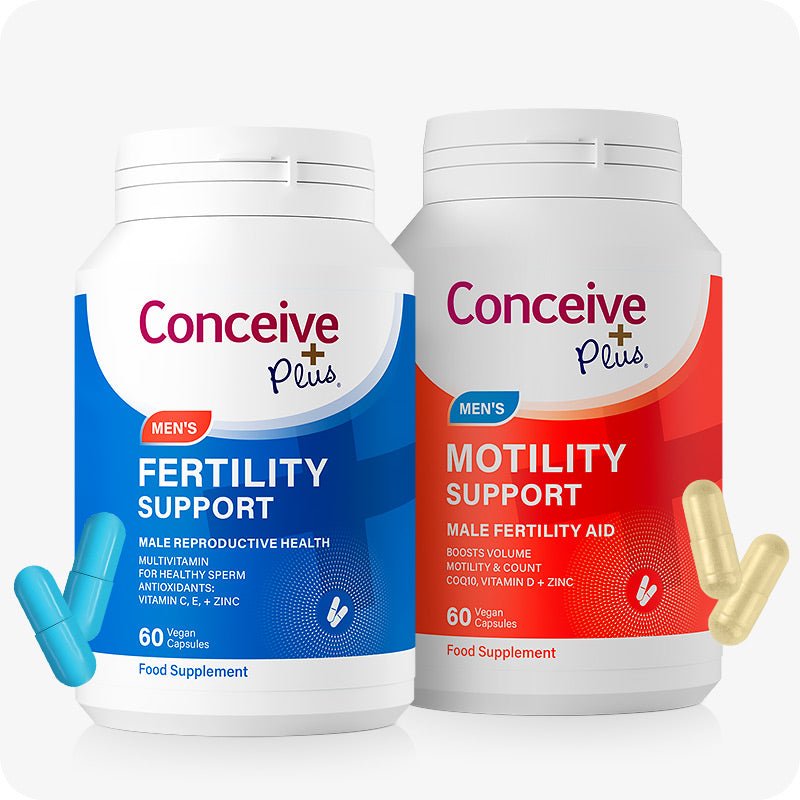
Egg maturation (oogenesis) takes approximately 90 days from the point a primordial follicle is recruited into the growing pool to the release of a mature oocyte. During this time, the follicular environment — including its nutritional content and oxidative stress level — directly influences egg quality. Similarly, the sperm maturation cycle (spermatogenesis) takes approximately 74 days. Lifestyle and nutritional changes made today begin improving the quality of sperm available for collection in about three months.
This three-month timeline is why reproductive specialists increasingly recommend beginning a structured preparation programme at least 90 days before an anticipated IVF cycle — not as a guarantee of success, but as a meaningful way to optimise the biological raw material entering the process.
Ready to Support Your Fertility Journey?
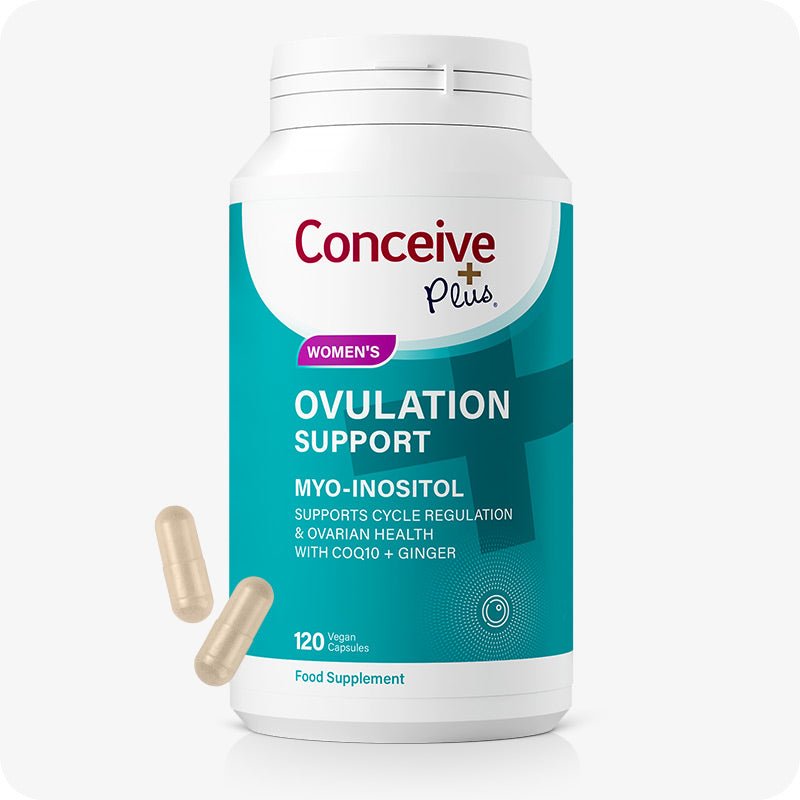
Conceive Plus Women's Fertility Support provides the key nutrients your body needs during IVF preparation — including CoQ10, methylfolate, myo-inositol, and essential vitamins — to support egg quality, hormonal balance, and reproductive readiness in the critical months before treatment.
Explore Women's Fertility Support →Nutritional Strategies for IVF Success
Nutrition in the months before IVF is not about perfection or restrictive dieting — it is about providing the specific micronutrients and macronutrient balance that support reproductive cell health, hormonal regulation, and the inflammatory environment of the uterus.
The Mediterranean diet: Multiple studies have examined dietary patterns in relation to IVF outcomes, and the Mediterranean diet consistently emerges as associated with improved results. Characterised by abundant vegetables, fruits, legumes, whole grains, fish, olive oil, and moderate amounts of lean protein, the Mediterranean diet is rich in antioxidants, omega-3 fatty acids, and fibre — all of which support the anti-inflammatory environment optimal for conception. A 2018 study published in Human Reproduction found that women who most closely adhered to a Mediterranean diet in the six months before IVF had a 65–68% higher probability of clinical pregnancy and live birth compared to those with the lowest adherence.
Protein timing and type: Adequate protein is essential for follicular development and hormone synthesis. Plant proteins (legumes, tofu, nuts, seeds) appear to be particularly beneficial; a study from the Harvard School of Public Health found that replacing animal protein with plant protein was associated with a 50% lower risk of ovulatory infertility.
Reducing processed foods and sugars: High dietary glycaemic load impairs insulin sensitivity and elevates androgens — particularly problematic in PCOS. During IVF preparation, minimising ultra-processed foods, added sugars, and refined carbohydrates supports a hormonal environment more conducive to ovarian response and implantation.
Hydration: Adequate fluid intake supports the development of healthy follicular fluid, which nourishes the developing egg. Aim for 2–2.5 litres of water daily during the stimulation phase of IVF, increasing further if you experience any symptoms of mild ovarian hyperstimulation syndrome (OHSS).
Key Supplements for IVF Preparation
The evidence base for targeted supplementation in IVF preparation has grown considerably in recent years. While no supplement guarantees success, several have sufficient clinical evidence to support their use as adjunct strategies:
Coenzyme Q10 (CoQ10): The most extensively studied supplement in the IVF context. A 2018 randomised trial published in Fertility and Sterility found that women with diminished ovarian reserve who took 600mg/day of CoQ10 for 60 days before IVF had significantly more mature oocytes retrieved, higher fertilisation rates, and better embryo quality compared to controls. For women over 35 or those with a history of poor ovarian response, CoQ10 (ideally in the ubiquinol form for superior bioavailability) is one of the most recommended pre-IVF supplements.
Methylfolate: Essential for DNA methylation and cell division, methylfolate is important during all stages of early embryonic development. Unlike synthetic folic acid, methylfolate is the biologically active form and does not require enzymatic conversion — making it suitable for those with MTHFR gene variants. Begin supplementation at least three months before the anticipated egg retrieval date.
Vitamin D: A 2019 meta-analysis in Human Reproduction Update found that vitamin D-sufficient women had significantly higher clinical pregnancy rates in IVF (65% versus 49% in deficient women). Many Europeans — particularly those in Northern and Central European countries — are vitamin D deficient, especially in winter months. Testing your vitamin D level and supplementing to achieve optimal status (40–60 ng/mL) before and during an IVF cycle is recommended.
Myo-inositol: A randomised trial published in the European Review for Medical and Pharmacological Sciences found that myo-inositol supplementation (4g/day) improved oocyte and embryo quality in women undergoing IVF, and reduced the dose of gonadotrophins required for adequate stimulation. Its insulin-sensitising properties are particularly valuable in women with PCOS or elevated AMH (who are at higher risk of OHSS).
Omega-3 fatty acids: DHA is a structural component of egg and embryo cell membranes. Adequate omega-3 intake supports membrane fluidity and has been associated with improved embryo quality and implantation rates. Aim for at least 2g EPA+DHA per day during IVF preparation.
Physical Preparation: Exercise, Sleep, and Weight
Physical preparation for IVF does not require dramatic lifestyle overhaul, but specific considerations apply:
Exercise: Moderate exercise (150 minutes of moderate-intensity activity per week, per WHO guidelines) is beneficial for metabolic health, stress reduction, and sleep quality. However, very high-intensity training (particularly prolonged endurance exercise or competitive athletics) has been associated with lower IVF success rates in some studies. During the stimulation phase, high-impact activity should be reduced to avoid ovarian torsion risk as the ovaries enlarge.
Sleep: Melatonin — the hormone produced during sleep in darkness — is a potent antioxidant that accumulates in follicular fluid and protects developing oocytes from oxidative damage. Multiple studies have found that women with better sleep quality and duration have higher-quality eggs and better IVF outcomes. Aim for 7–9 hours of quality sleep per night, and consider sleeping in complete darkness to maximise melatonin production.
Body weight: Both underweight (BMI below 18.5) and overweight (BMI above 25–30) status are associated with reduced IVF success rates through distinct mechanisms. Overweight status is linked to insulin resistance, elevated androgen levels, and lower oocyte quality; underweight status is associated with hormonal disruption and poor endometrial development. Working with a dietitian to reach a healthy BMI before commencing IVF is worthwhile when time permits.
Mental and Emotional Preparation for IVF
The psychological demands of IVF are significant and often underestimated. Research consistently shows that IVF patients report stress levels comparable to those experiencing serious illness — with the added dimension of profound uncertainty and the emotional weight of hope.
Preparation on an emotional level involves several components. First, building realistic expectations: understanding that IVF is rarely successful on the first cycle, and that outcomes are never guaranteed, while still maintaining hope. Second, establishing a support system: whether through a partner, trusted friends, an infertility counsellor, or online communities such as Fertility Friends or Fertilitätsforum (for German-speakers).
Research from the University of Oxford found that women who participated in a mind-body programme before and during IVF had significantly lower distress levels and, in one study, improved pregnancy rates. Techniques including cognitive behavioural therapy (CBT), mindfulness-based stress reduction (MBSR), and acupuncture (which has limited but emerging evidence as an adjunct to IVF) can all provide meaningful support.
Most European fertility clinics now offer or recommend access to psychological support as part of their IVF programme. Take advantage of this — caring for your mental health is not a luxury during IVF; it is an integral part of your treatment.
Reducing Environmental Toxin Exposure
Environmental endocrine disruptors — chemicals that interfere with hormone signalling — have been increasingly linked to impaired reproductive function, altered embryo development, and reduced IVF success. Key endocrine disruptors to minimise exposure to in the months before IVF include:
Bisphenol A (BPA) and phthalates: Found in many plastics, food packaging, and personal care products. BPA and phthalates mimic oestrogen and have been detected in follicular fluid, where they may impair egg maturation. Replace plastic food containers and water bottles with glass or stainless steel alternatives. Choose personal care products labelled "phthalate-free."
Pesticides: Organophosphate pesticides have been associated with reduced ovarian reserve and poorer IVF outcomes in studies from the Harvard T.H. Chan School of Public Health. Prioritising organic produce for the "dirty dozen" — the fruits and vegetables with highest pesticide residues — during the preparation period is a reasonable precaution.
Heavy metals: Lead, cadmium, and mercury exposure have all been linked to reproductive impairment. Mercury is relevant for frequent consumers of large predatory fish (tuna, swordfish, shark). Switching to smaller, shorter-lived fish (salmon, sardines, anchovies) during IVF preparation reduces mercury exposure while maintaining omega-3 intake.
Frequently Asked Questions About IVF Preparation
How long before IVF should I start preparing?
Ideally, begin your preparation programme three months before your anticipated egg retrieval date. This aligns with the egg and sperm maturation timelines and gives supplements time to exert their full effect. Use this time to address nutrition, supplementation, lifestyle factors, and emotional readiness.
What tests should I have before starting IVF?
Standard pre-IVF investigations include ovarian reserve assessment (AMH, AFC, FSH, LH, oestradiol on cycle day 2–3), thyroid function tests, a uterine evaluation (ultrasound and often hysteroscopy), infectious disease screening (HIV, hepatitis B and C, rubella immunity), and a full semen analysis for the male partner, including DNA fragmentation testing. Your clinic will advise on their specific protocol.
Should I take CoQ10 before IVF?
CoQ10 supplementation is supported by clinical evidence for improving oocyte quality, particularly in women over 35 or those with diminished ovarian reserve. Most protocols suggest 400–600mg daily of ubiquinol (the active form) beginning three months before IVF. Discuss with your reproductive specialist whether it is appropriate for your individual situation.
Can caffeine affect IVF success?
High caffeine intake (above 200mg/day — roughly two standard espressos) has been associated with reduced IVF success in some studies, as well as increased miscarriage risk. Most fertility specialists recommend limiting caffeine to below 200mg/day during the preparation phase and throughout treatment.
Is it safe to exercise during IVF stimulation?
Light to moderate exercise such as walking, yoga, and swimming is generally considered safe and may reduce stress during the stimulation phase. High-impact activities, heavy lifting, and vigorous abdominal exercise should be avoided during stimulation and for at least two weeks after egg retrieval, as the enlarged ovaries increase torsion risk. Always follow your clinic's specific guidance.
What is the MTHFR gene variant and why does it matter for IVF?
MTHFR (methylenetetrahydrofolate reductase) gene variants impair the body's ability to convert synthetic folic acid into methylfolate — the biologically active form used in DNA synthesis. Women with MTHFR variants benefit from taking methylfolate directly rather than standard folic acid. Testing for MTHFR variants can be done through a simple blood or saliva test and is increasingly offered as part of pre-IVF genetic screening.
Does acupuncture help with IVF?
The evidence for acupuncture as an adjunct to IVF is mixed. A 2020 Cochrane review found insufficient evidence that acupuncture around the time of embryo transfer improves live birth rates. However, acupuncture may help reduce treatment-related stress and anxiety, which can be independently beneficial. If you find it helpful for relaxation, it is generally considered safe when performed by a qualified practitioner.
How can I improve endometrial receptivity before IVF?
Strategies associated with improved endometrial receptivity include optimising vitamin D levels, following an anti-inflammatory diet, considering a uterine evaluation to rule out polyps or fibroids, and in some cases, an endometrial scratch (ERA test) to time the transfer to your personal implantation window. Your fertility specialist can advise on which of these is appropriate based on your history.
What is PGT-A and should I use it?
Preimplantation Genetic Testing for Aneuploidies (PGT-A) screens IVF embryos for chromosomal abnormalities before transfer, identifying euploid (chromosomally normal) embryos. It can reduce miscarriage rates and increase the probability of a successful first transfer, particularly in women over 37 or those with recurrent implantation failure or recurrent miscarriage. It adds cost and requires biopsy of the embryo, but for appropriate candidates, the cumulative evidence supports its use.
Can I continue working during an IVF cycle?
Most people continue working during IVF stimulation, though the monitoring appointments (blood tests and ultrasounds every few days) require some schedule flexibility. The egg retrieval itself requires a day off. Many people find the luteal phase (after retrieval or transfer) the most emotionally demanding part, and allowing some rest or lighter schedule during this period — if possible — is beneficial.
Ready to Support Your Fertility Journey?
Begin your IVF preparation with the nutritional foundation your body deserves. Conceive Plus Women's Fertility Support brings together CoQ10, methylfolate, myo-inositol, vitamin D, and other evidence-backed nutrients to support egg quality and reproductive health in the critical months before your treatment cycle.
Explore Women's Fertility Support →